

How do you remove clay from brackish water?
Separating clay from glycerine requires a thorough and controlled process, focusing on isolating sediment particles in a liquid matrix. In such a system, physical separation is central and specific equipment and process control are used. An important aspect is determining the correct working temperature and pressure to allow the clay particles to settle without reducing the quality of the glycerine. This approach allows the clay to be accurately separated from the mixture without unnecessary processing.
Process optimization and monitoring
By carefully monitoring the characteristics of the sediment, such as the size and density of the particles, the efficiency of the separation process can be optimally guaranteed. Industrially, this is important for applications where the reuse of glycerine in production processes plays a role. Proven techniques are used that are tailored to the chemical composition of glycerine and clay. Technical expertise is also provided to refine the methodology and guarantee consistency in separation.
Application and benefits
The isolated clay can be further examined or processed, after which the pure glycerine is fed back into the production process. This not only contributes to cost savings, but also to reliable process optimization. This controlled separation method improves the quality of the end product, while at the same time waste materials are efficiently removed. In industry, it is essential to apply the latest insights and technologies, so that sustainable and economical production is constantly being pursued. Contact us for a suitable solution and/or a completely free quote.
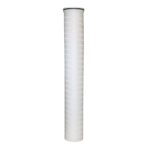
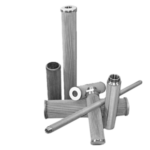
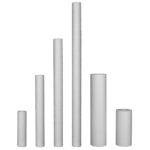
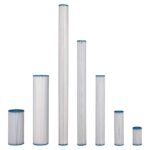
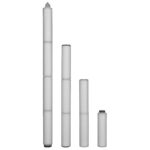
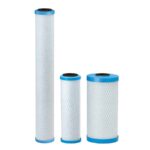
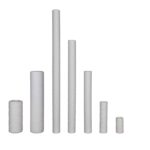
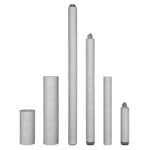
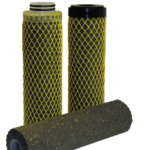
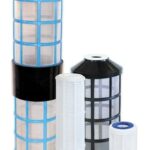
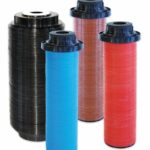
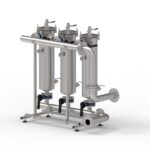
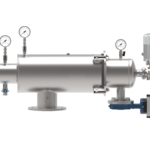
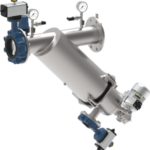
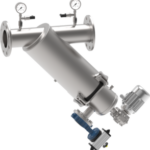
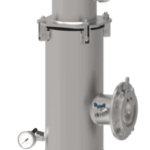
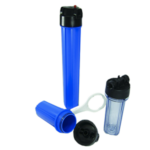
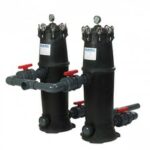
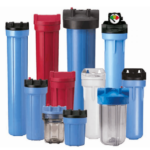
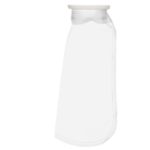
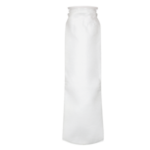
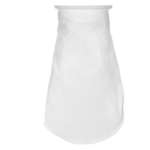
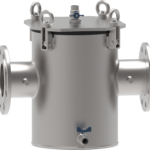
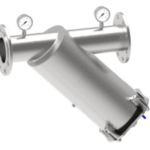
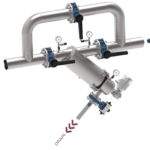
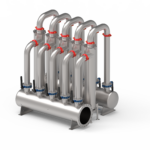
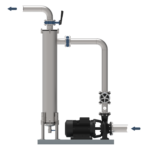
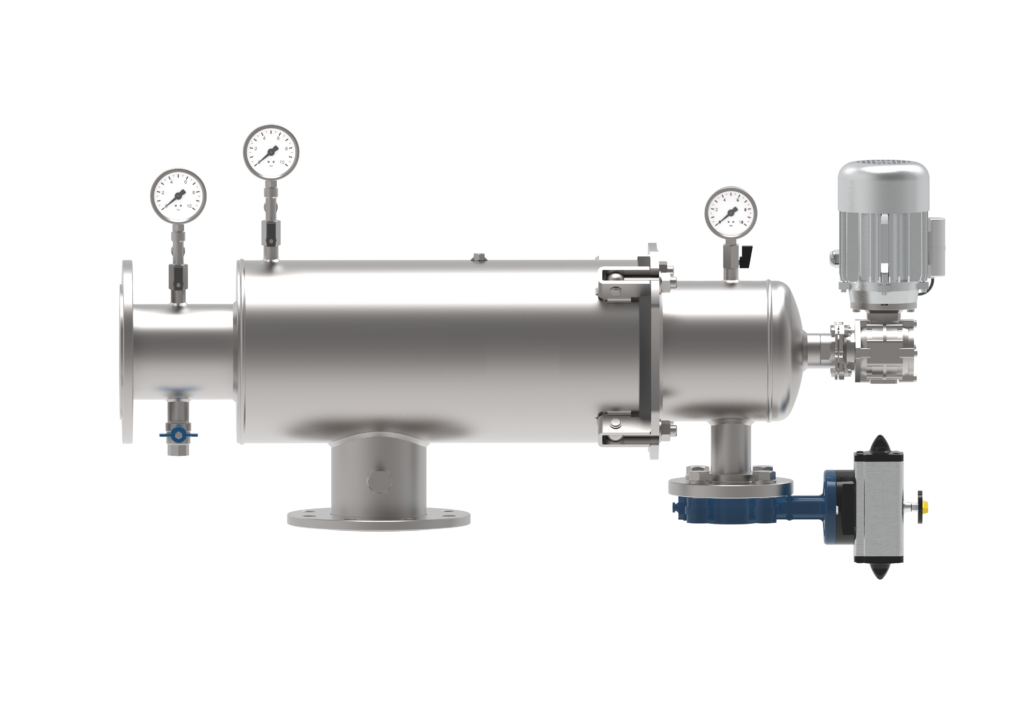
Some of our liquid filtration products


Marc Jansen


 Expert Filtration Solutions at Your Fingertips
Seeking expert advice on oil and gas industry filters? Reach out to us for a customized solution and quote. Our team of filter specialists is ready to assist you around the clock.