

How do you filter paper from river water?
Separating sediment particles from glycerine is central to a widely used industrial process, which aims to remove unwanted solid particles from the liquid. By using advanced separation techniques and carefully selected filter materials, effective separation can take place, whereby the sediments are removed without affecting the chemical integrity of the glycerine. This process requires a detailed understanding of the physicochemical properties of the glycerine and the nature of the sediment particles.
Specific separation techniques
Specific processes, such as pressure-controlled separation or use of membrane filtration with an adjusted pore size, are used to accurately separate the particles. The correct adjustment of parameters such as temperature, pressure and throughput rate contributes to the optimal operation of this separation installation. In addition, there is a continuous focus on improvements and optimizations in the process, which increases production efficiency and reduces maintenance costs.
Quality standards and sustainability
This results in an end product that meets strict quality standards and guarantees continuity of production. Elastic and sustainable materials also guarantee a long service life of the filtration installations. This quality-oriented approach also ensures that unwanted sediments do not have any further influence on the production line. Contact us for a suitable solution and/or a completely free quote.
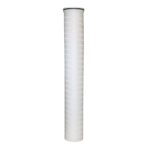
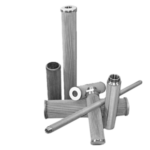
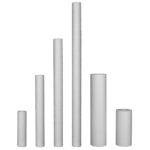
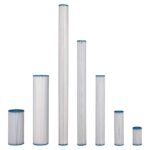
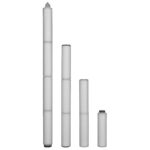
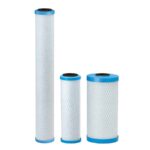
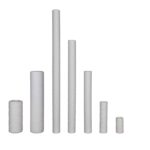
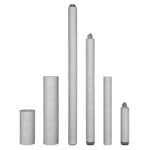
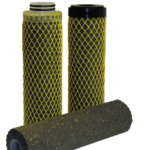
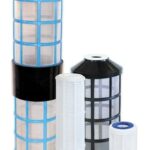
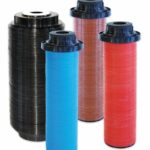
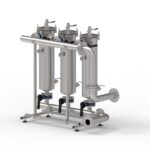
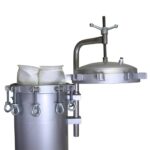
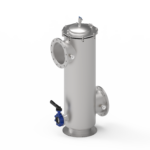
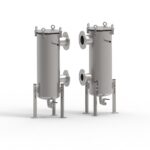
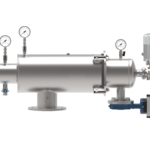
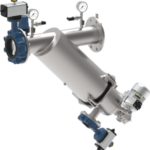
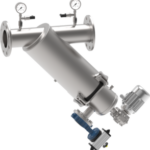
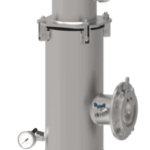
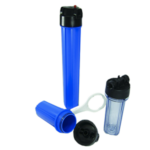
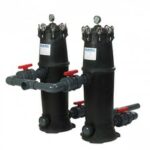
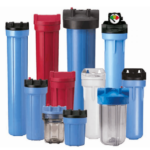
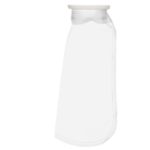
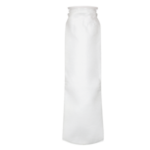
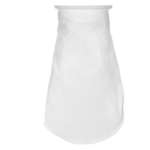
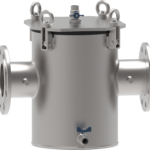
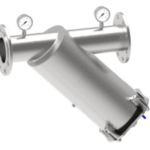
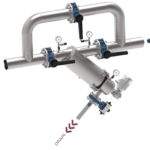
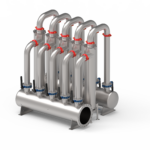
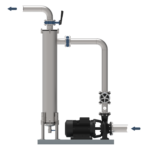
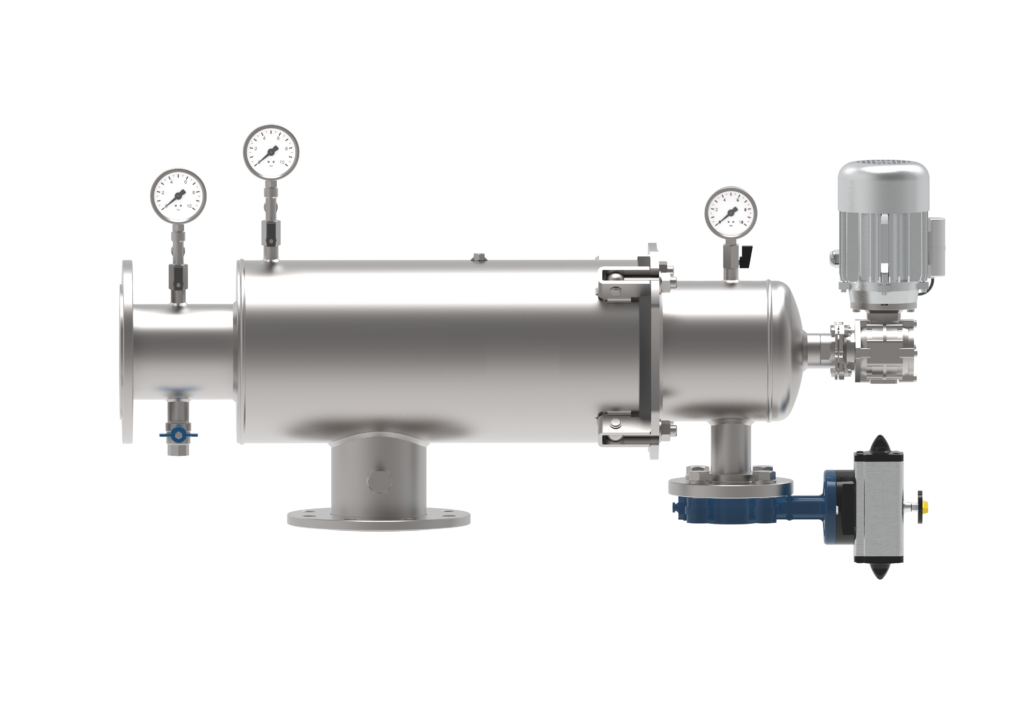
Some of our liquid filtration products


Marc Jansen


 Expert Filtration Solutions at Your Fingertips
Seeking expert advice on oil and gas industry filters? Reach out to us for a customized solution and quote. Our team of filter specialists is ready to assist you around the clock.