

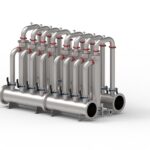
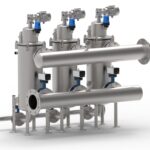

How do you purify solids from chemical liquid?
Separating solids from glycol is an essential process in various industrial applications, where efficiency and accuracy are key. In many installations, glycol is used as a coolant or antifreeze, which can hinder the operation of the system due to the presence of sediment. A well-designed separation process can remove unwanted particles, so that the quality of the fluid remains optimal.
Methods and techniques for separation
The right method depends on various factors such as the nature of the sediments, the composition of the glycol and the operating conditions. The use of advanced techniques in combination with quality control ensures that the separation process meets industry standards. By using specific equipment, such as mechanical separators or cyclones, continuous separation of solid particles is guaranteed.
Optimization and monitoring
The optimization of process parameters is also important to increase efficiency and reduce maintenance costs. The procedure requires in-depth knowledge of fluid dynamics and materials science, so that the selected technology can effectively separate the sediments. In addition, monitoring plays a major role and regular checks and analyses are performed to verify the system performance. This contributes to reliable operation and extends the life of the installations. Companies that operate in sectors such as automotive, chemical or energy benefit from a robust and sustainable separation process. Ultimately, the use of an adequate system offers cost advantages and a positive impact on product quality. Contact us for a suitable solution and/or a completely free quote.
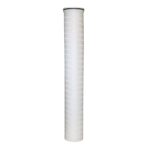
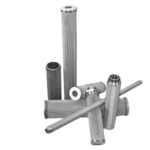
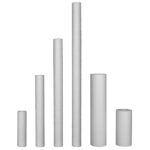
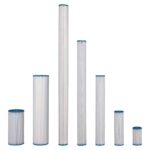
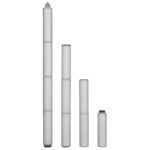
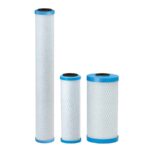
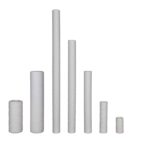
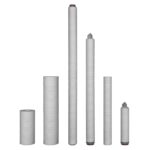
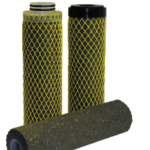
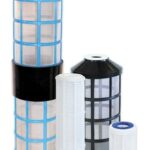
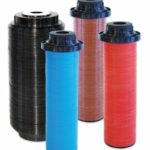
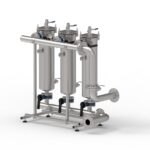
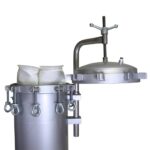
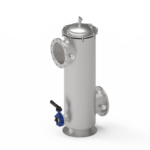
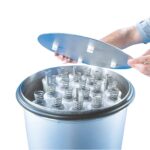
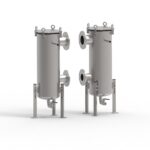
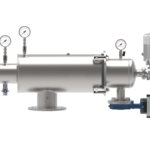
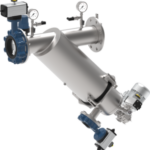
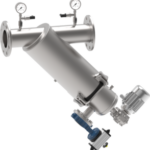
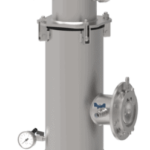
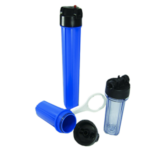
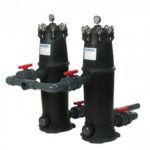
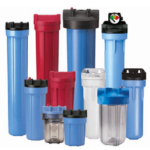
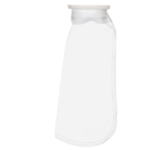
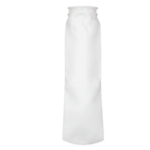
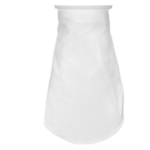
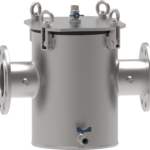
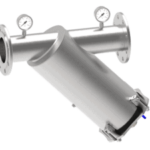
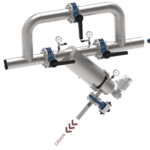
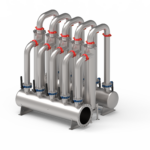
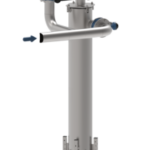
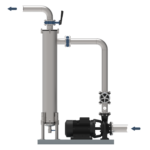
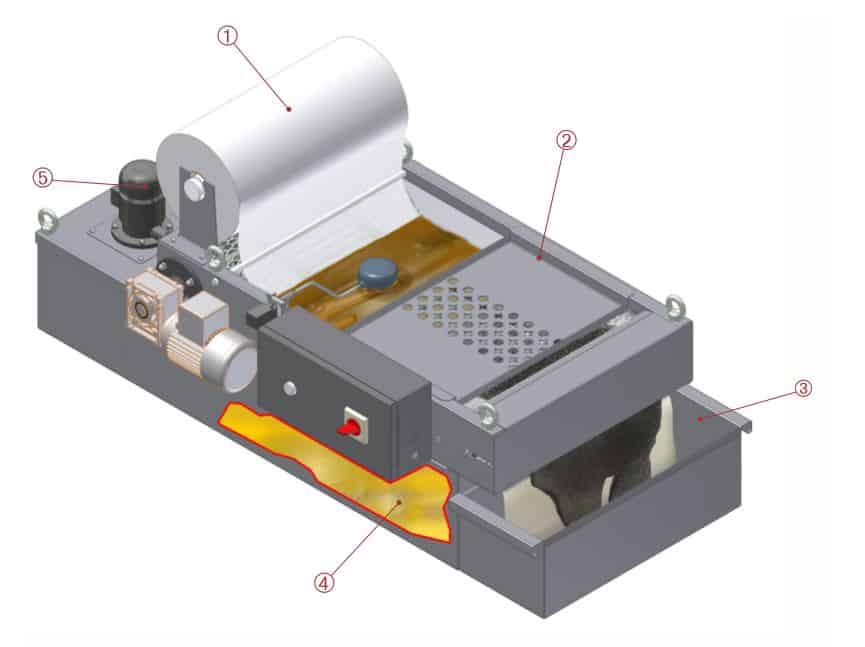
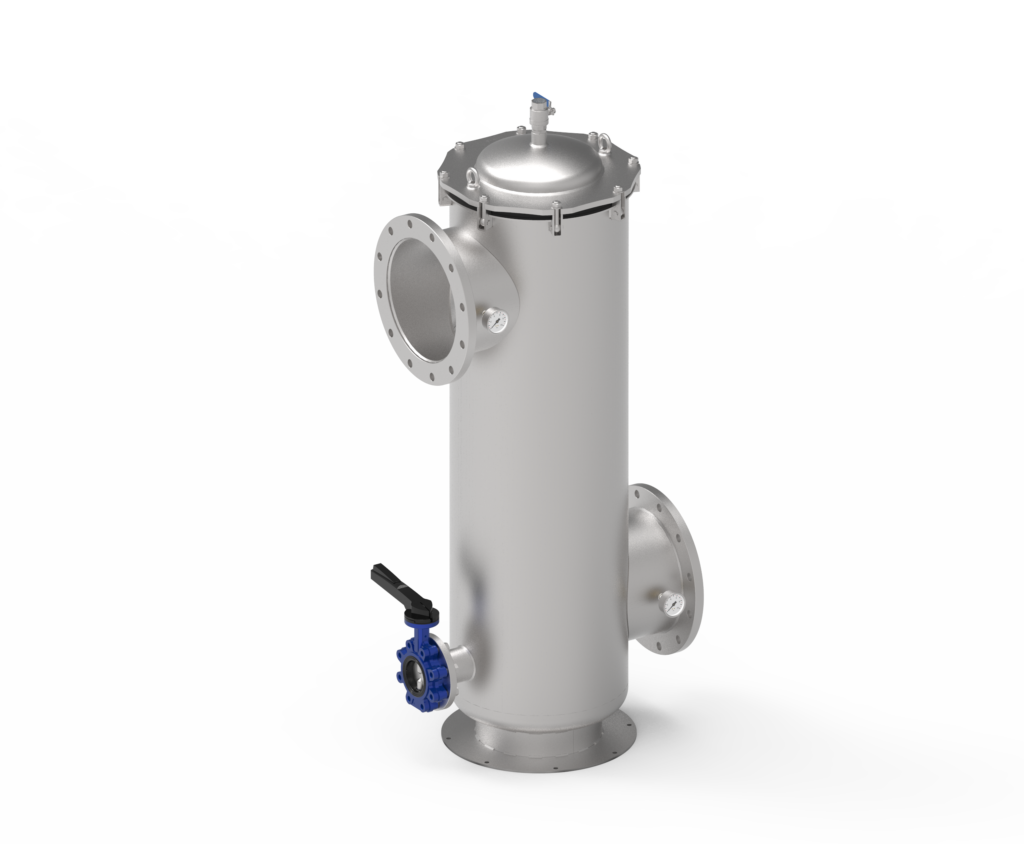
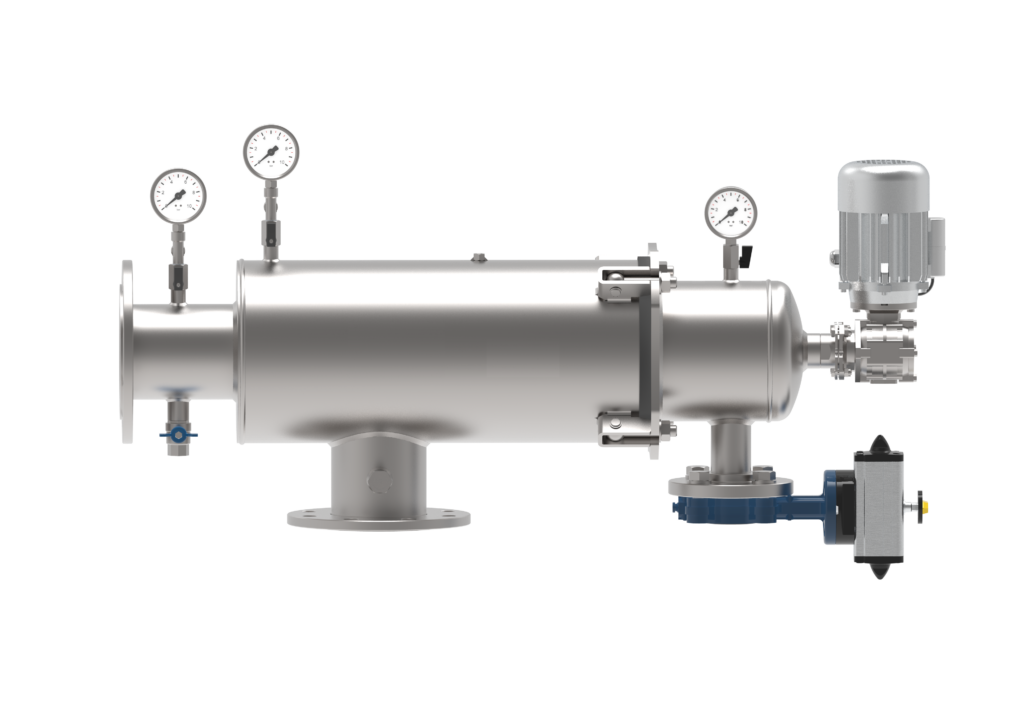
Some of our liquid filtration products


Marc Jansen



 Expert Filtration Solutions at Your Fingertips
Seeking expert advice on oil and gas industry filters? Reach out to us for a customized solution and quote. Our team of filter specialists is ready to assist you around the clock.