

How do you filter glycol from groundwater?
Effectively removing glycol from IJsselmeer water requires an integrated approach that combines innovative technology and sound purification techniques. Glycol, which can end up in the water via industrial runoff, disrupts the natural balance of this important water body.
Water Analysis and Filtration System
To limit the negative effects, an extensive water analysis is first performed to determine the level of contamination and the presence of sediment particles. A filtration system is then deployed that combines mechanical separation and chemical rejection of glycol. This process is continuously monitored and optimized, so that the purification results remain consistently high, regardless of fluctuations in water quality.
Innovative Methods and Sustainability
By applying innovative methods, it is ensured that the final water meets strict environmental and safety standards. This precise and scientifically based approach ensures that the IJsselmeer water is restored in a sustainable way and protected against future pollution. Contact us for a suitable solution and/or a completely free quote.
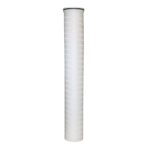
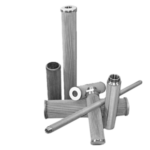
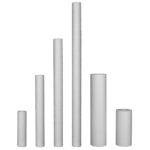
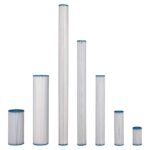
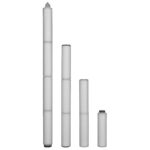
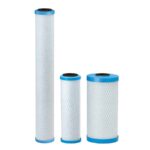
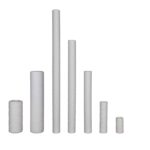
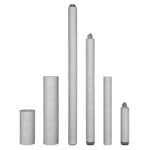
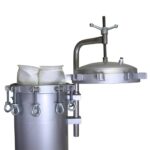
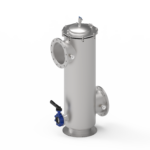
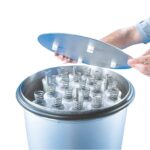
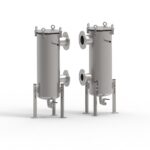
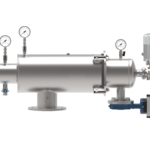
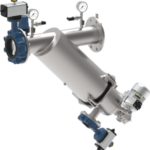
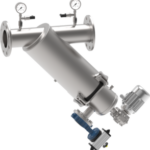
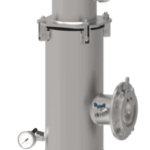
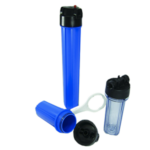
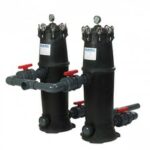
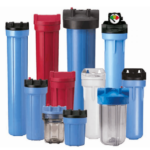
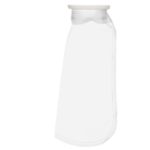
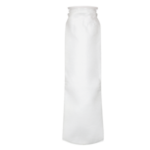
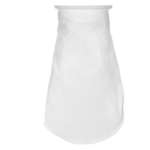
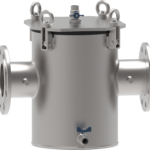
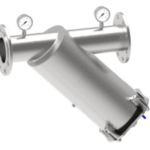
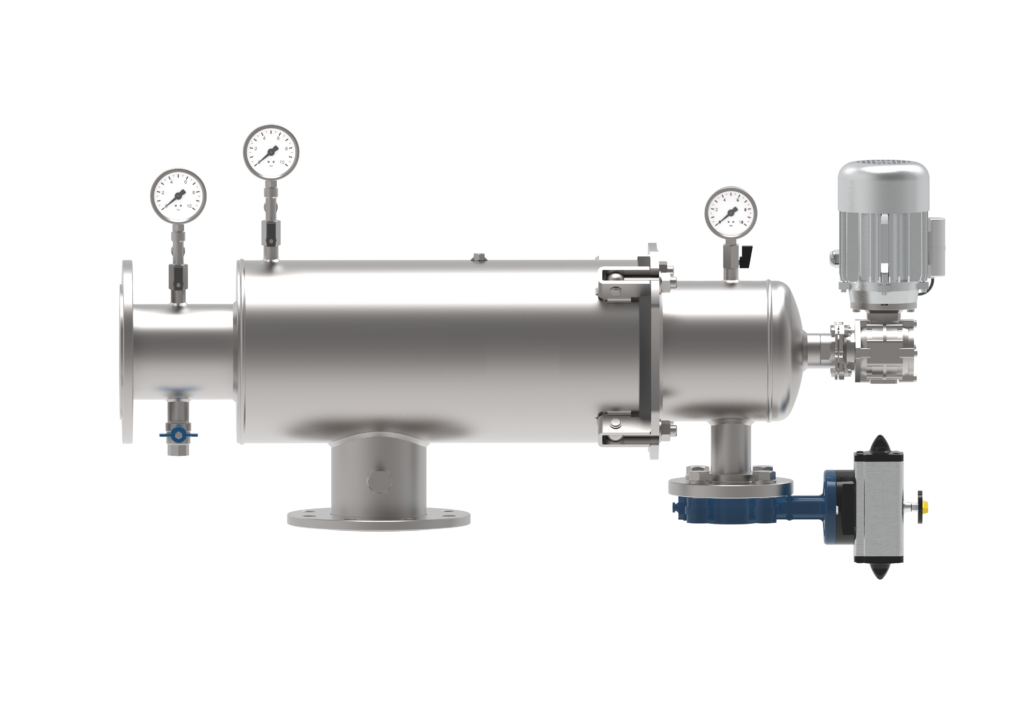
Some of our liquid filtration products


Marc Jansen


 Expert Filtration Solutions at Your Fingertips
Seeking expert advice on oil and gas industry filters? Reach out to us for a customized solution and quote. Our team of filter specialists is ready to assist you around the clock.