

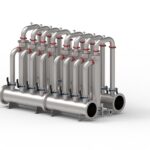
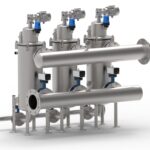

How do you filter solid parts from central heating water?
Purifying solids from glycol is a technical process that requires precision and expertise. In industrial installations where glycol plays a role as a coolant or antifreeze, sediments can affect the operation and efficiency. It is therefore important to implement a purification process that effectively removes unwanted solid particles.
Advanced purification systems
A well-designed purification process uses advanced systems that operate on the basis of mechanical and physical principles. Particles are extracted by means of controlled flow dynamics and specific filtration techniques. The choice of the right method depends on a number of variables such as the concentration and type of sediment present in the glycol. Thanks to continuous monitoring and quality control, deviations can be detected in time, which contributes to a stable process.
Collaboration and technological developments
There is also close collaboration with technical experts who provide specific advice on the maintenance and optimization of the systems. This ensures that business processes continue to run efficiently and the chance of unexpected failures is minimized. The latest technological developments are used to further improve the purification process and reduce energy consumption. By investing in a high-quality purification system, companies can optimize their processes and reduce operational costs. Contact us for a suitable solution and/or a completely free quote.
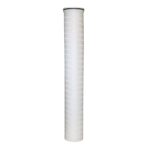
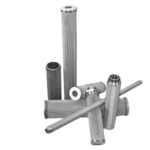
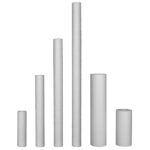
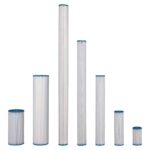
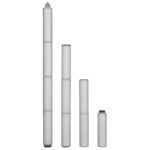
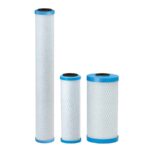
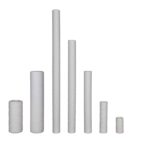
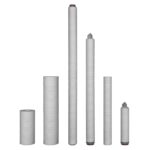
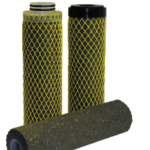
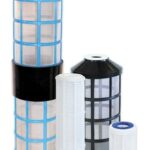
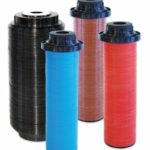
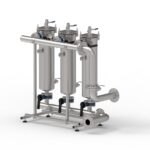
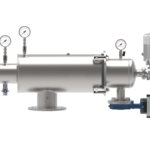
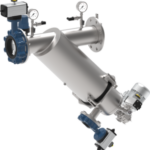
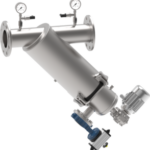
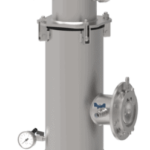
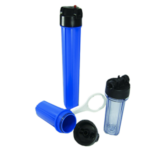
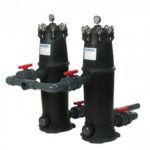
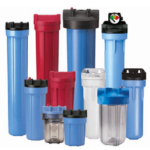
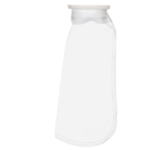
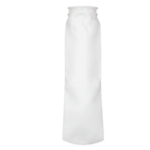
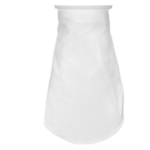
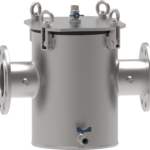
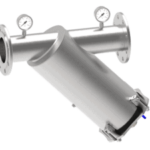
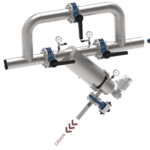
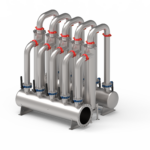
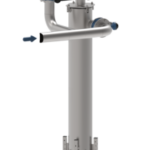
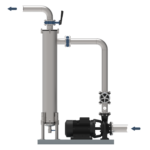
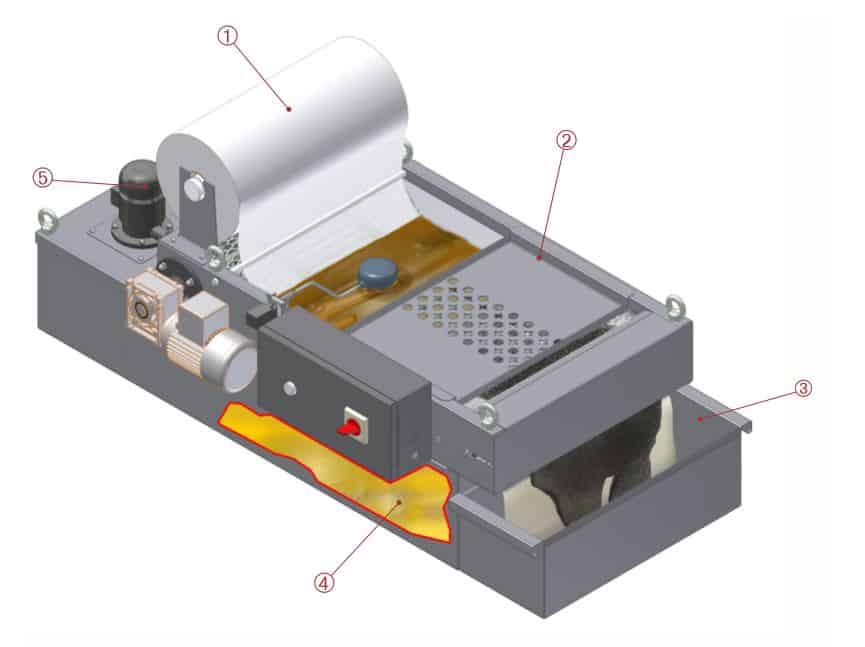
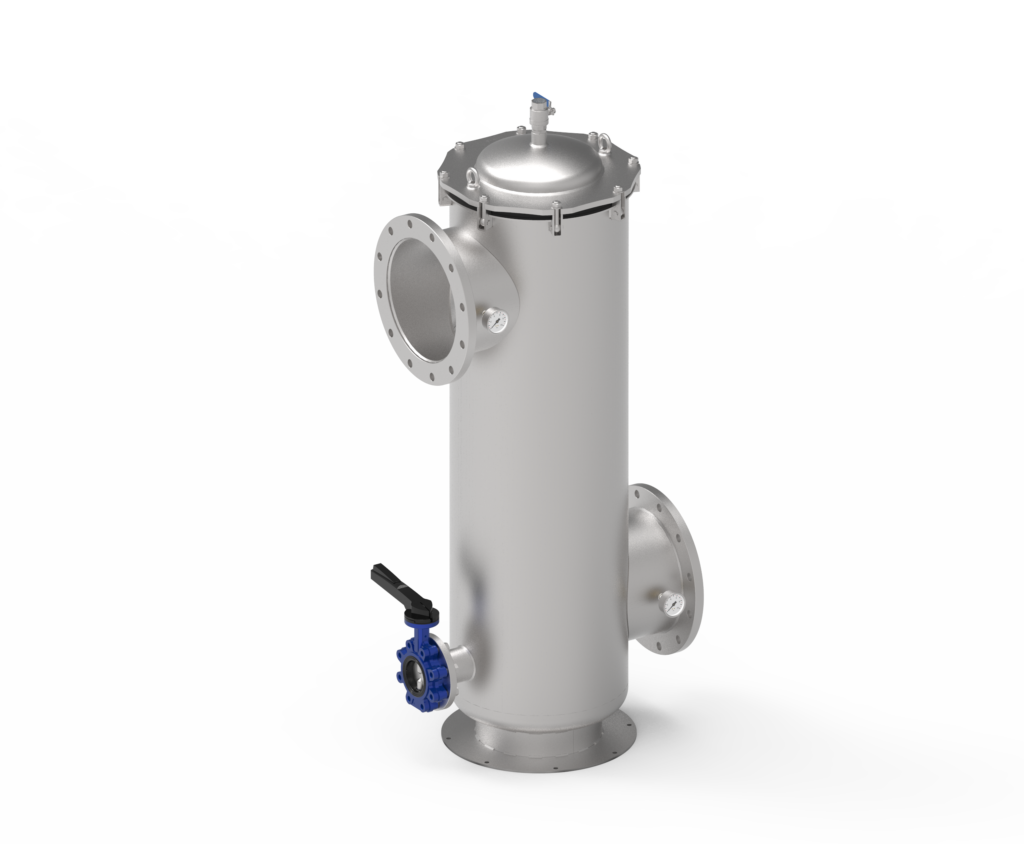
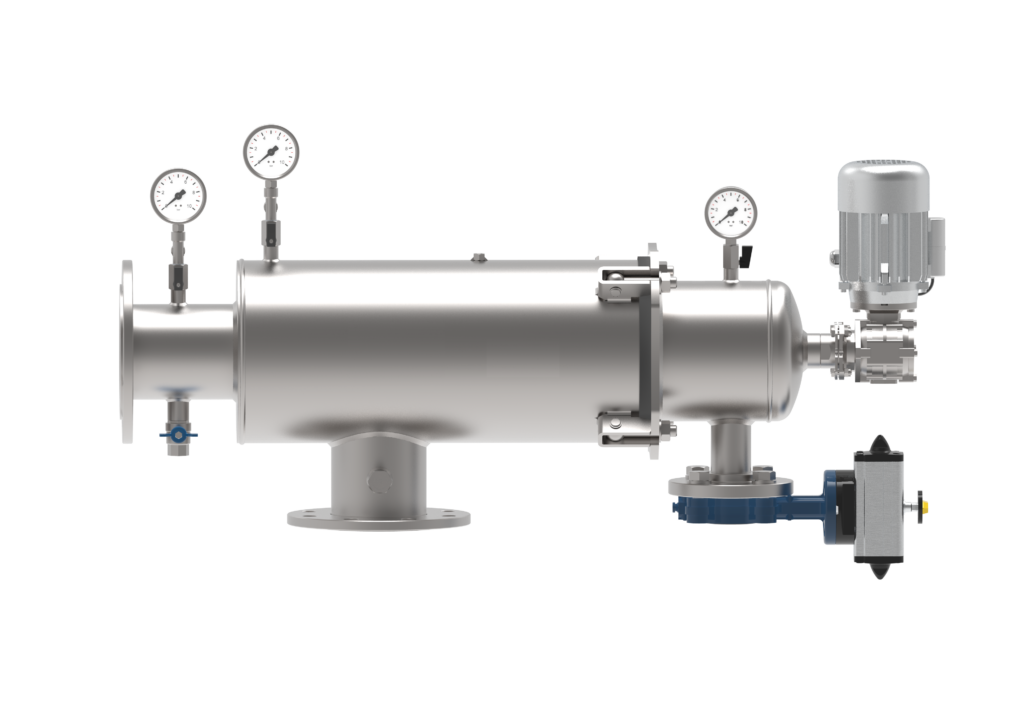
Some of our liquid filtration products


Marc Jansen



 Expert Filtration Solutions at Your Fingertips
Seeking expert advice on oil and gas industry filters? Reach out to us for a customized solution and quote. Our team of filter specialists is ready to assist you around the clock.