

Common Filtration Problems in Industrial Processes (and How to Fix Them)
Industrial filtration is essential for keeping production processes running efficiently. By removing solid particles from liquids, filtration systems protect equipment, maintain product quality and reduce unexpected downtime. However, problems such as clogged filters, pressure loss and poor filtration performance can still occur.
The most common problems include filter clogging, excessive pressure drop, insufficient particle removal, frequent maintenance and unstable flow rates. These issues often result from particle buildup, incorrect filter selection or changing process conditions. Fortunately, many can be prevented or resolved with the right filtration approach.
Clogged industrial filters
One of the most common issues is filter clogging. When suspended solids accumulate on the filter medium, the available filtration area decreases. This restricts liquid flow and can increase pressure loss across the system.
Blockages are often caused by high contamination levels, an unsuitable micron rating or insufficient filtration capacity. Particle size distribution also affects performance. A high concentration of fine particles can block the filter medium more quickly, even when the overall solids concentration remains unchanged.
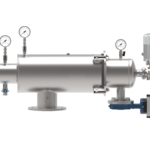
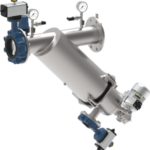
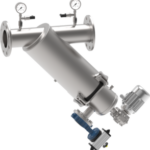
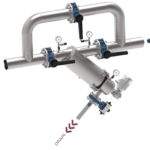
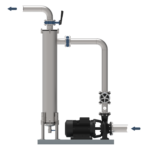
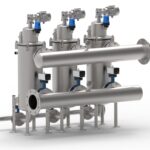
Installing a pre-filter can help remove larger particles before they reach finer filtration stages. For applications with continuous particle buildup, self-cleaning filters can automatically remove accumulated contaminants, reducing manual maintenance and helping maintain a consistent flow.
Excessive pressure drop in filtration systems
A certain pressure difference between the inlet and outlet of a filter is normal. However, excessive pressure drop can indicate a blockage, insufficient filtration area or an incorrectly sized system.
Effective filtration troubleshooting starts with measuring the differential pressure. If the pressure difference gradually increases, the filter may require cleaning or replacement. If pressure loss is excessive from the beginning, the filter sizing or operating conditions should be reviewed.
Selecting the correct filtration area and micron rating helps reduce unnecessary resistance while maintaining effective particle removal.
Poor filtration efficiency
A filtration system may continue operating while allowing unwanted particles to pass through. These filtration efficiency problems can affect product quality, increase equipment wear and reduce process reliability.
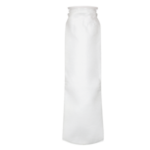
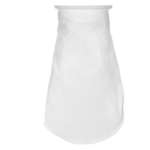
Common causes include an incorrect micron rating, damaged filter elements or worn seals that allow unfiltered liquid to bypass the filter medium. Another important factor is the difference between nominal and absolute filtration ratings. A nominal filter retains a specified percentage of particles at its rated size, while an absolute-rated filter offers a higher, defined retention efficiency under specified test conditions.
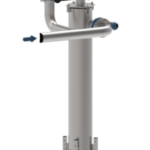
Improving performance starts with identifying the type and size of particles that need to be removed. In some applications, combining different technologies provides better results. For example, a cyclone separator can remove suitable heavier particles before the liquid enters a finer filtration stage.
Frequent maintenance and filter replacement
Filters that require frequent cleaning or replacement can increase operating costs and interrupt production. This often happens when the contamination level is higher than expected or the available filter capacity is insufficient.
Automatic backwash filters can reduce maintenance requirements by removing accumulated particles through controlled cleaning cycles.
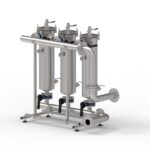
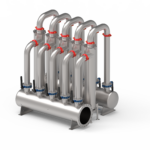
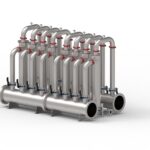
For processes where continuous operation is important, a duplex filter skid may also be suitable. In a parallel configuration, one filter housing can remain operational while the other is isolated for maintenance.
Unstable flow rates and filter damage
Unexpected changes in flow rates can affect production efficiency. These fluctuations may result from filter blockage, variations in inlet pressure or changes in liquid viscosity.
Monitoring flow rates and pressure helps determine whether the issue originates in the filter or elsewhere in the installation.
Material compatibility is equally important. Exposure to unsuitable chemicals, temperatures or operating pressures can damage filter elements, seals and housings. Damaged or incorrectly installed O-rings and gaskets can also cause external leakage or allow unfiltered liquid to bypass the filter medium. Selecting appropriate materials, such as stainless steel 304 or 316 where suitable, and regularly inspecting seals help maintain reliable performance.
How to prevent problems with industrial filters
Preventing operational issues starts with understanding the requirements of your process. Important factors include the type of liquid, particle size, contamination level, required flow rate and operating pressure.
Regular maintenance and differential pressure monitoring help identify developing issues before they affect production. Choosing the correct filtration technology can also reduce clogging, improve efficiency and extend filter service intervals.
The most effective solution is not necessarily the finest filter, but the system that achieves the required particle removal without compromising flow or operating efficiency.
Contact JMF-Filters for filtration advice
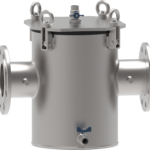
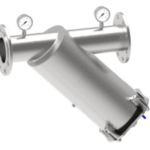
Experiencing difficulties with your industrial filtration system? JMF-Filters helps companies identify the causes and select suitable solutions for their processes, from self-cleaning filters and cyclone separators to filter housings and strainers.
Our filtration specialists are ready to help you find a solution that matches your process requirements.