


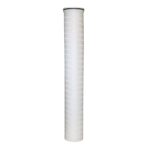
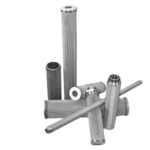
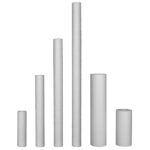
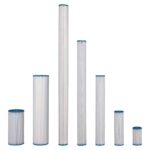
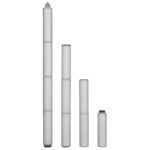
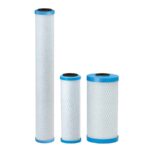
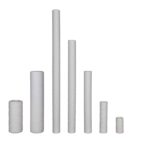
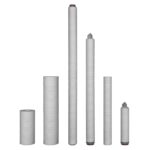
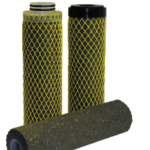
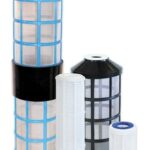
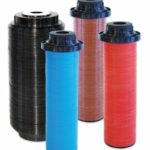
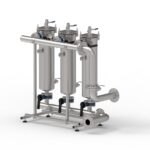
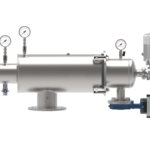
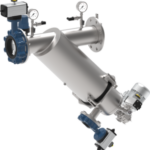
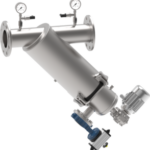
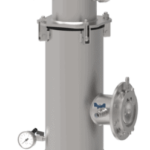

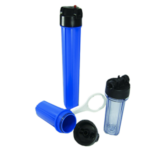
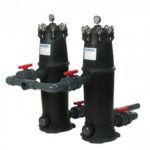
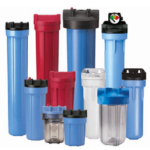
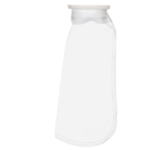
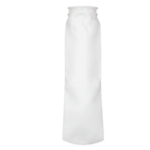
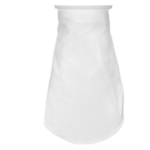

Request a quote for: Carbon Filters
"*" indicates required fields
Enter your details to download the product specifications.
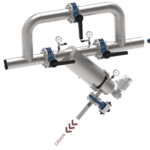
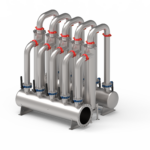
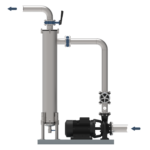
Carbon Filters
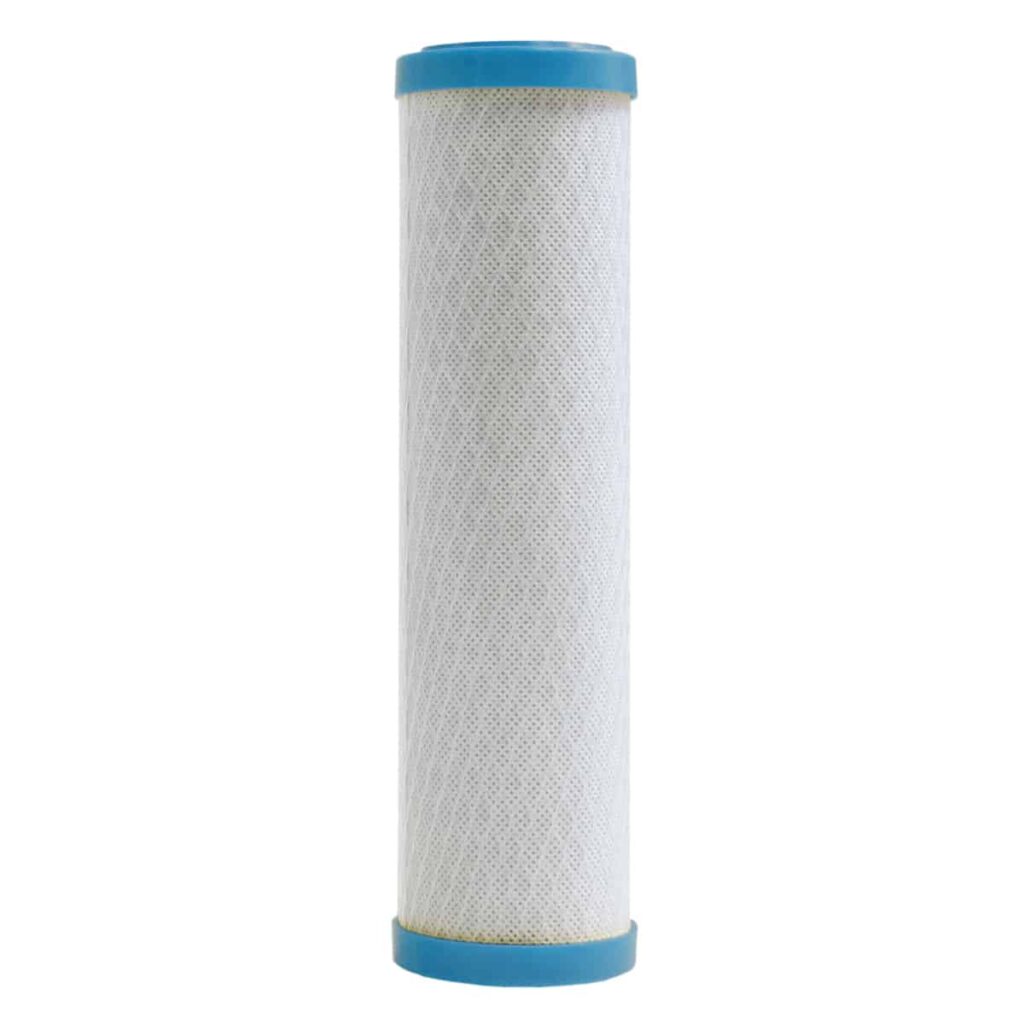
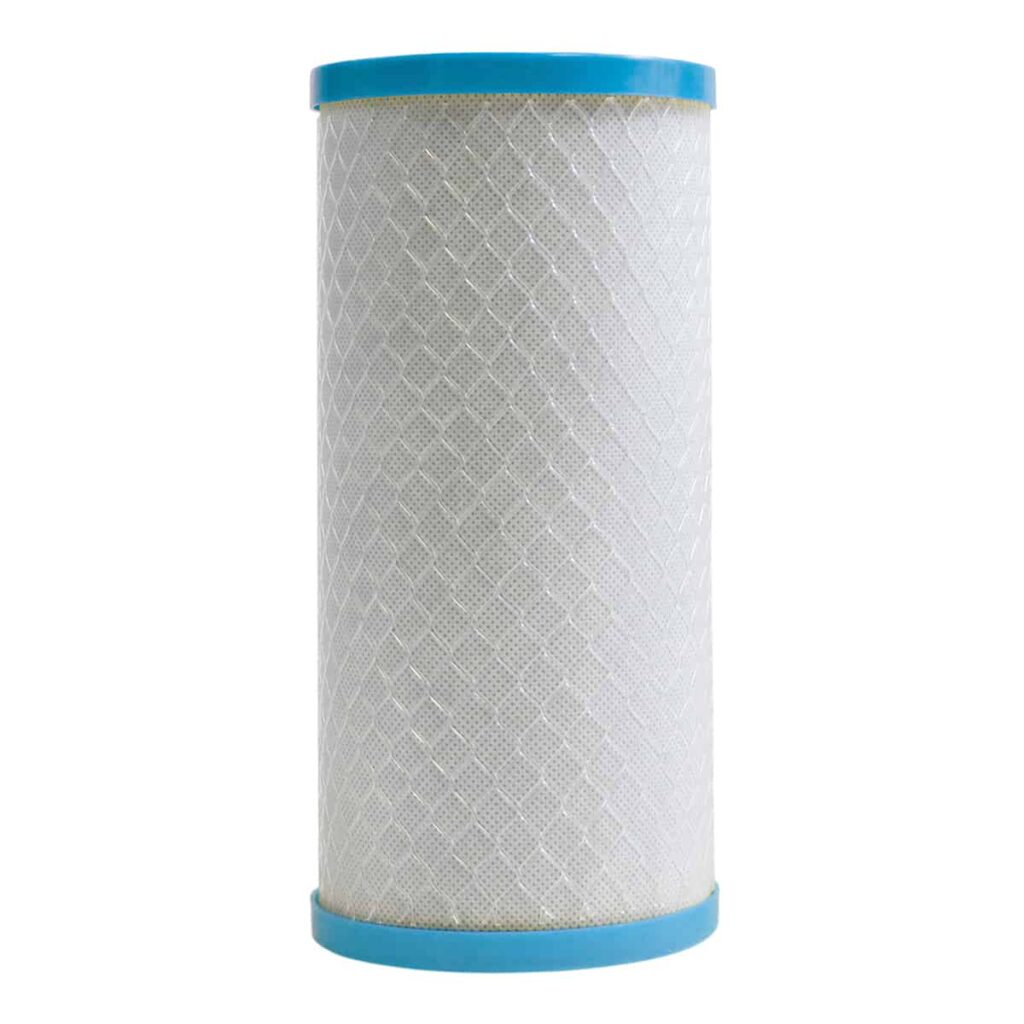
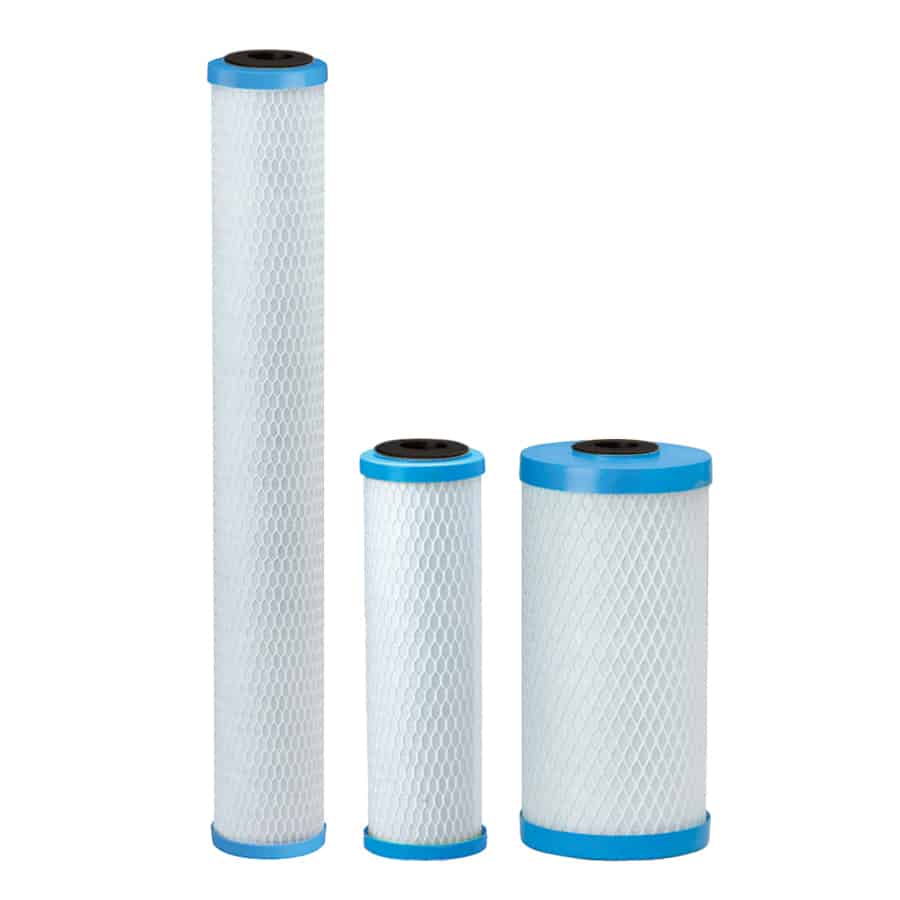
Carbon filters, known for their superior absorption capabilities, are primarily used to remove dissolved organic components in water. Our filters also play a crucial role in deodorizing and decolorizing various liquids, softening alcohol, and treating yeasts. Effective in eliminating color, odor, flavor, detergents, phenols, and pesticides, these filters are an essential tool across multiple industries.
Expect a quote within a 24-hour timeframe.
The convenience of 1-day delivery is also possible, thanks to our extensive inventory.
Shipping available across the globe.
Crafted in Europe: Witness unmatched excellence.
Comprehensive Information about Carbon Filters
Carbon filters are recognized for their high adsorption capacity and versatility. They operate on the principle of adsorption, where molecules attach to the outside of a surface rather than being soaked into it. This mechanism allows them to effectively trap and remove a wide range of contaminants.
Primarily, carbon filters are used to eliminate low concentrations of dissolved organic components in water. Beyond water treatment, they find usage in various industrial applications. For instance, they can deodorize and decolorize different liquids, making them ideal for industries dealing with colored or odoriferous substances. They are also employed in the beverage processing industry to soften alcohol.
The substances that can be removed with carbon filter elements are extensive and include color, odor, and flavor. They are also effective in treating yeasts, softening alcohol, and dechlorinating water. Some specific contaminants they can treat include chlorinated solvents like Dichloromethane and Chloroform, detergents such as Dodecyl Benzene Sulfonate and Tetrapropyl Benzene Sulfonate, phenols like Phenol and O-cresol, and pesticides like Atrazine, Bentazone, and Isoproturon.
Diverse Applications of Carbon Filters
Carbon filters are extensively used in a variety of applications:
- Water Treatment: They remove dissolved organic components, making water safe for consumption or other uses.
- Odor and Color Removal: These filters effectively deodorize and decolorize various liquids, making them suitable for industries dealing with colored or odoriferous substances.
- Alcohol Softening: Carbon filters are used in the beverage processing industry to soften alcohol.
- Yeast Treatment: They play a crucial role in treating yeasts, making them beneficial in the food and beverage industry.
- Dechlorination of Water: They are effective in removing chlorine from water, enhancing its safety and taste.
Industries Benefiting from our Carbon Filters
Carbon filters find application across numerous industries due to their versatility and efficiency:
- Water Treatment Industry: They are integral in purifying water, removing dissolved organic components, and making it safe for various uses.
- Beverage Processing Industry: Used in softening alcohol, these filters contribute to the production of high-quality beverages.
- Food Industry: They are employed in treating yeasts, aiding in the production of foods like bread and beer.
- Manufacturing Industry: These filters help in deodorizing and decolorizing various liquids, enhancing product quality and safety.
- Chemical Industry: Carbon filters aid in removing chlorinated solvents, detergents, phenols, and pesticides, ensuring safer and more efficient chemical processes.