




Cost effectiveness and sustainability: How do you choose between cartridge, bag and membrane filters for your industrial application?
Industrial filtration is indispensable for many production processes. Yet it is often difficult to choose between cartridge, bag or membrane filters. That choice greatly affects your costs and the environmental impact of your processes. We at JMF Filters have over 30 years of experience in liquid filtration and are happy to help you with this choice.
The basics: cartridge filters in industrial processes
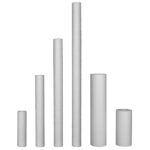
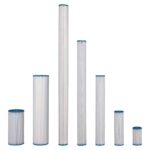
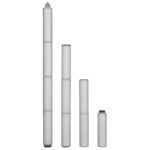
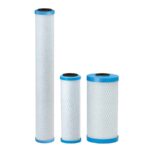
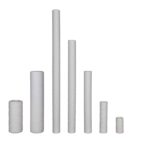
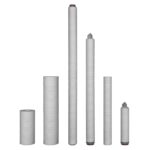
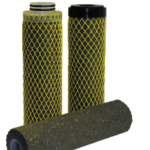
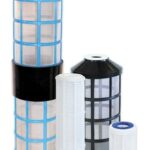
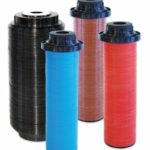
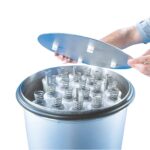
Cartridge filters are cylindrical elements, usually made of polypropylene, fiberglass or cotton. They work simply: liquid flows from the outside in, and contaminants are left on the filter material.
The big plus? They’re compact and versatile. For smaller volumes and if you can replace them regularly, cartridge filters are really handy. They filter very precisely, sometimes down to 0.1 microns or even finer.
But there are also disadvantages. With large volumes or a lot of pollution, they clog up quickly. Then replacement is needed, which costs money and time. Frequent use of new filters creates a lot of waste, something we’re paying more and more attention to these days.
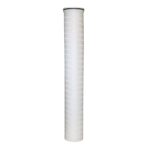
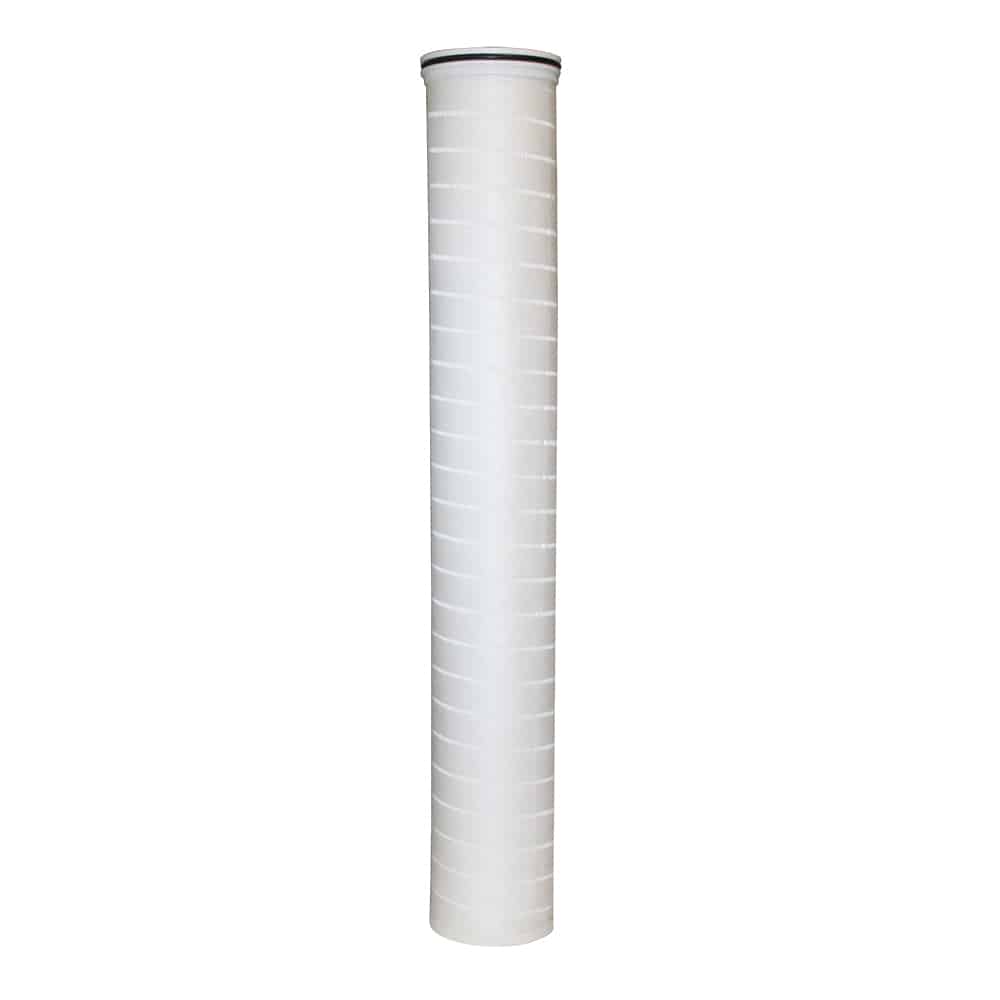
High Flow Filter Cartridges
Increase filtration efficiency with JMF Filters high-flow filter cartridges. Designed for higher volume flows, these cartridges are 50% to 70%…
Bag filters in industrial filtration
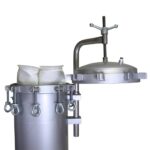
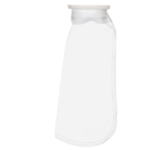
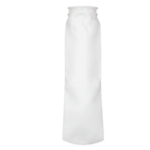
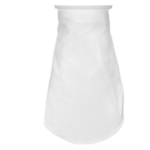
Bag filters (or filter bags) are fabric or synthetic bags that you place in a container. They are usually made of polypropylene, polyester or nylon. The liquid flows through them, while the particles remain in the bag.
The big advantage? They can trap a lot of contamination before they fill up. Therefore, they are perfect for processes with a lot of coarse contamination.
Moreover, bag filters are often cheaper than cartridges, especially for large volumes. You replace them easily and it usually takes less time than with more complicated filter systems.
What they are not as good at? They usually don’t achieve the fineness of cartridge or membrane filters. For very fine filtration (below 1 micron), there are better options. And in some applications, you waste more product than with cartridges.
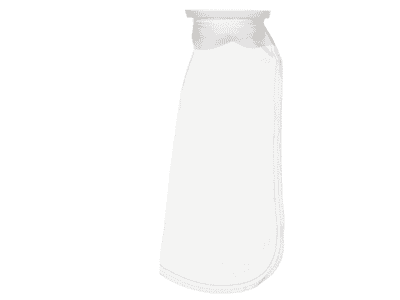
Nylon Filter Bags
Nylon filter bags are robust and versatile filtration solutions known for their excellent strength and high filtration efficiency. These bags are particularly effective in…
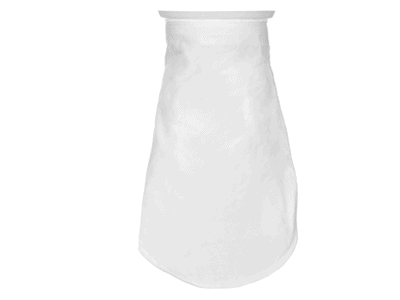
Polypropylene Filter Bag
Polypropylene bags are versatile and durable, suitable for various types of water and different industries. They are quality tested and fast delivery….
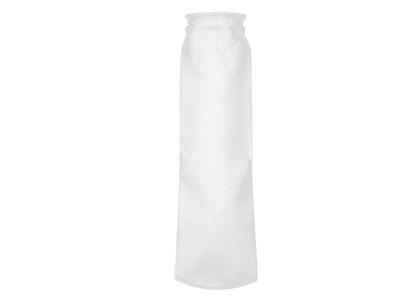
Polyester Filter Bag
Polyester Filters are high-quality industrial filters suitable for different liquids and various industries. They are fast delivery, can be custom made…
Membrane filters: precision and efficiency
Membrane filters are the high-tech option. They consist of a thin, permeable layer that filters very precisely, sometimes even at the molecular level.
Their strength? Extremely precise filtration. They can stop particles, bacteria and even certain dissolved substances. For pharmaceuticals, food production and other industries with stringent requirements, they are often indispensable.
Also nice: they are more sustainable. Many membrane filters you can clean and reuse, creating less waste. In the long run, that can make up for the higher purchase price.
The challenges? You invest more at the beginning. They also require more maintenance to keep working well. If you use them incorrectly, they can quickly become damaged or clogged.
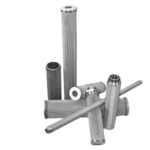
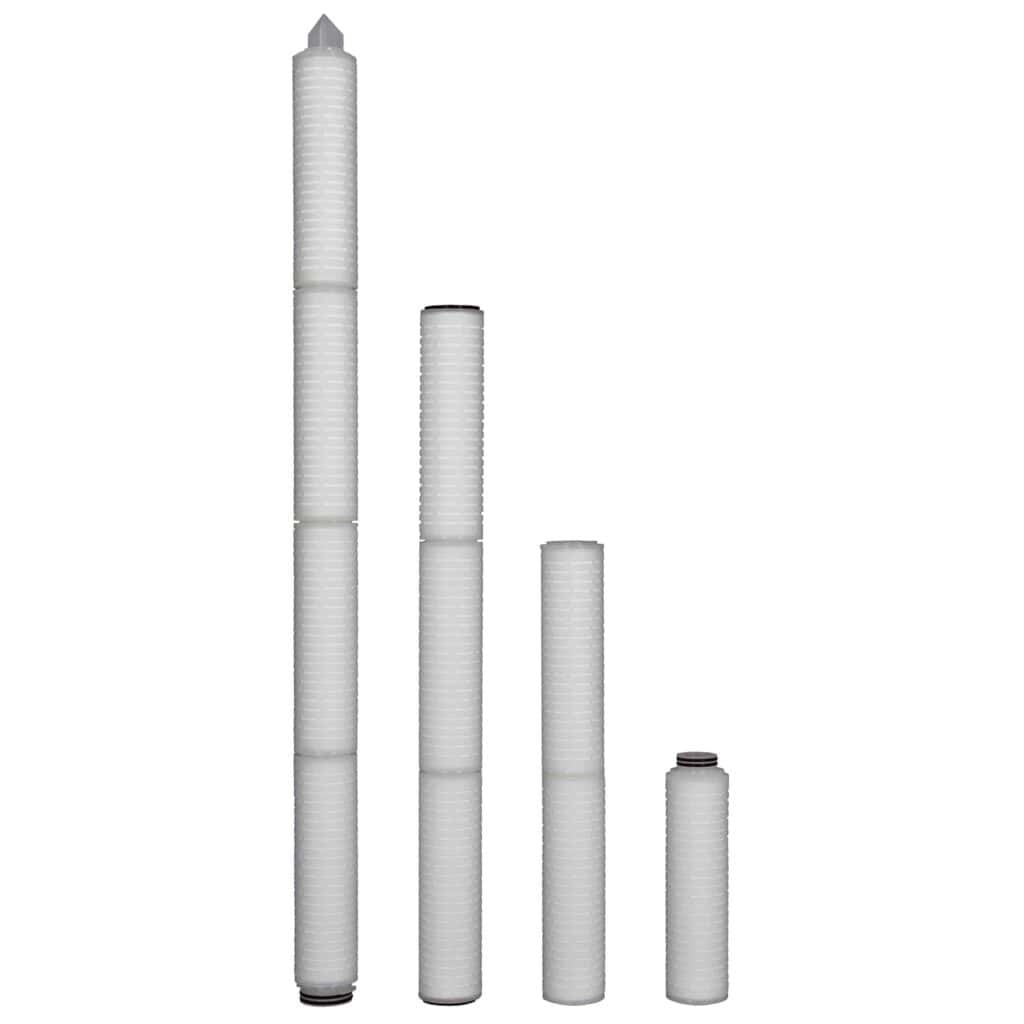
Membrane filters
Membrane filters with large filter surface area for high dirt collection and low pressure losses, suitable for various industries and fast delivery….
Cost effectiveness: the full arithmetic
Many companies only look at the purchase price. That gives a distorted picture. We recommend including these factors as well:
1. Acquisition cost versus lifetime.
2. Maintenance costs and labor time required
3. Energy consumption during operation
4. Replacement frequency
5. Waste disposal and environmental costs
Do you have low pollution and low volumes? Then cartridges are often the most economical. For large volumes with coarse contamination, bag filters usually win out. Membrane filters cost more in the beginning, but can end up being cheaper because of their longer life.
Sustainability as a decision factor
Environmental friendliness is becoming increasingly important in industry. With filters, this means attention to:
1. Material use and recyclability.
2. Energy consumption during production and use
3. Longevity and reusability
4. Waste generation and processing capabilities.
Some cartridge filters you can recycle these days. Certain bag filters you can wash and reuse. Membrane filters usually last the longest and produce the least waste per liter filtered.
Customization for optimal filtration
The right filter system depends on your specific situation. At JMF Filters, we develop custom solutions that take into account:
– Type and amount of pollution
– Desired filtration rate
– Temperature and chemical properties of the liquid
– Available space
– Budget and sustainability goals
By carefully weighing all these factors, we help customers from various industries improve their filtration processes every day.
Want to know which filter type best suits your process? Get in touch with our filter specialists. We will give you personal advice that takes into account both your technical requirements and your economic and sustainability goals.

Marc Jansen



 Expert Filtration Solutions at Your Fingertips
Seeking expert advice on oil and gas industry filters? Reach out to us for a customized solution and quote. Our team of filter specialists is ready to assist you around the clock.