




Filtration in aquaculture: continuous clear water
Aquaculture is growing rapidly in the Netherlands, Belgium and the rest of Europe. The increasing demand for sustainably produced fish and seafood is placing ever higher demands on water quality and management. Within recirculating systems (RAS) or open systems, keeping water clear and healthy is crucial to the success of a farm.
Without effective filtration, organic waste, food debris and fecal matter quickly accumulate. This leads to ammonia formation, oxygen deficiency and ultimately fish disease or death. Poor water quality causes growth loss, increased medication requirements and operational failure. Filtration in aquaculture is therefore the core of a stable and profitable production environment.
Modern filtration systems provide continuous removal of dirt particles, with minimal interruption to the process. In this article, we discuss three common techniques: mechanical filtration, cyclone filtration and self-cleaning systems.
Mechanical filtration
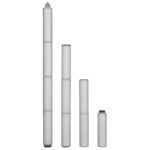
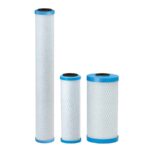
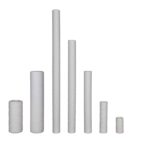
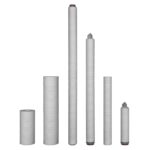
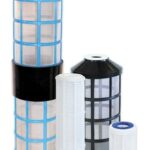
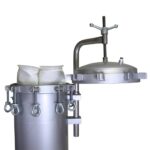
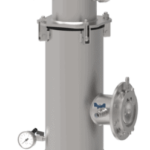
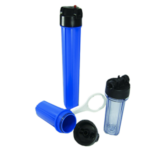
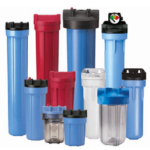
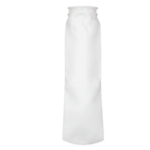
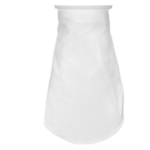
Mechanical filters remove solid particles by physical separation. Water flows through a filter element, such as a sieve, basket or cartridge, which retains dirt particles. This type of filter is particularly effective as pre-filtration or as the first step within a graduated filtration system.
The biggest advantage of mechanical filtration is its simplicity. The system is robust, requires little installation space and is easily accessible for inspection. Depending on the model, the filter is manually cleanable via a drain valve or by disassembly.
A major concern with mechanical filters is maintenance. Without automatic flushing, dirt can accumulate, leading to pressure loss and increased wear on other components. Thus, regular cleaning is essential for optimal operation.
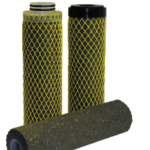
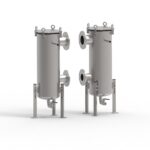
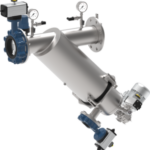
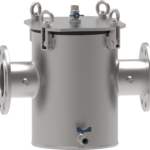
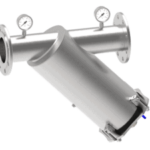
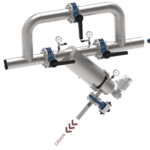
The JMF Simplex Strainer is an example of a robust, low maintenance solution for flows up to 400 m³/h. This strainer is available in different configurations (Y-, O-, and L-shape) and easily integrated within existing installations.
Subtitle for This Block
Title for This Block
Text for This Block
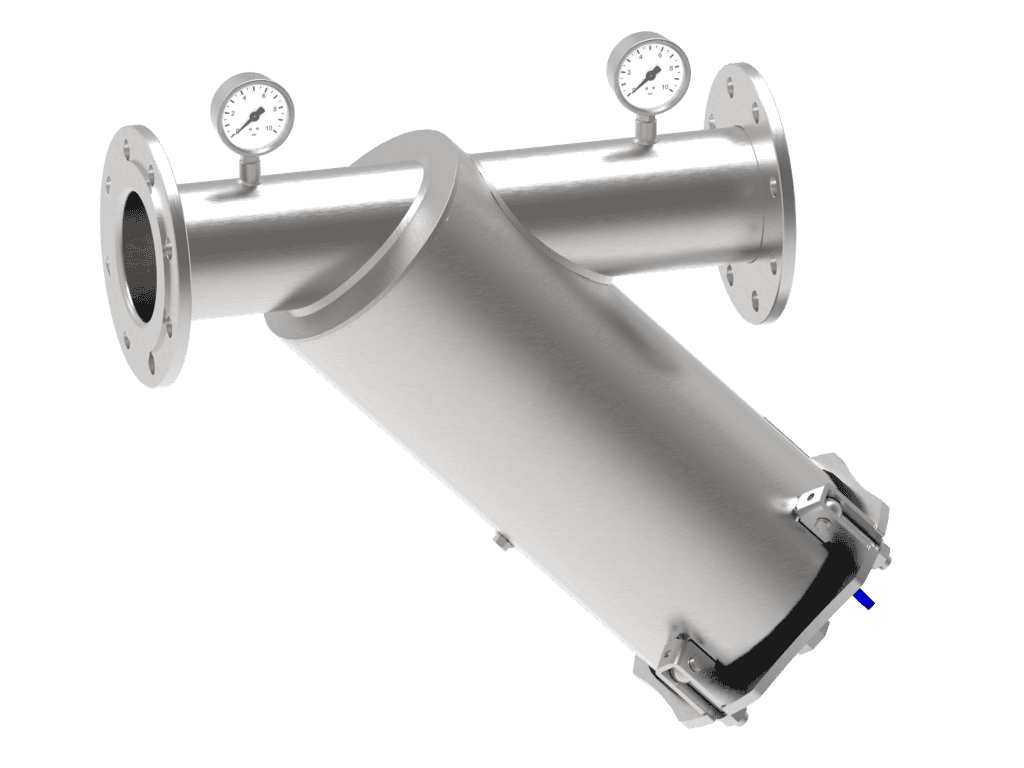
Simplex Filter Strainer
Subtitle for This Block
The Simplex Filter Strainer is a marvel of engineering, designed just like the Y-Strainer, that ensures smooth operation of fluid flow systems. It is designed to remove all impurities to eliminate possible…
Cyclone filtration
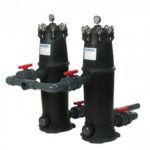
Cyclone filters use centrifugal force to separate heavier solid particles, such as sand and silt, from the water. The water is introduced sideways into the filter chamber, creating a circular flow. This flings the particles toward the wall and discharges them into a collection zone.
Cyclone filtration requires no filter elements or moving parts. This makes these systems low-maintenance and durable. The filtration efficiency is between 85% and 92%, depending on the flow rate, type of contamination and system tuning.
A cyclone filter is ideal for installations where there is a lot of sand or silt in the water. Due to its modular design, the system can be easily expanded or combined with other filters.
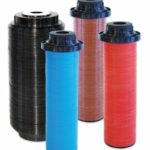
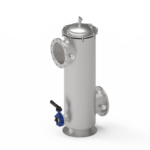
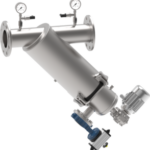
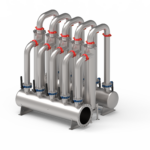
The JMF Cyclone Separator is an example of an efficient coarse sediment removal system. The system is optionally available with automatic flush valve, minimizing manual maintenance.
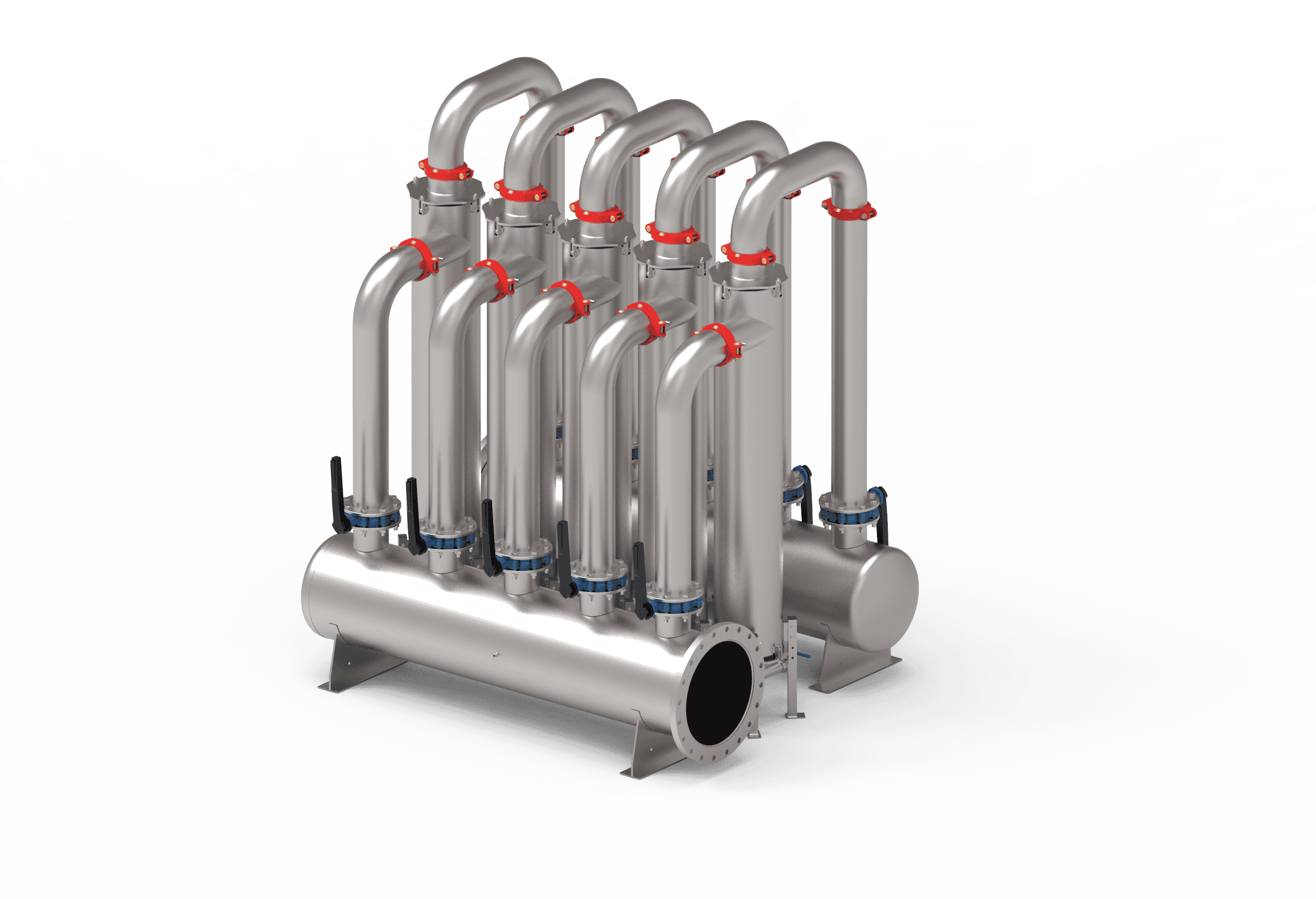
Cyclone Separator
Subtitle for This Block
A new filtration system in the cyclone filter category, the cyclone separator is designed to effectively remove solid particles in liquid streams…
Self-cleaning filtration
Self-cleaning filters are designed for continuous operation without manual intervention. The system detects contamination based on differential pressure or time settings and automatically flushes itself clean. This keeps the filter surface free of blockages and maintains optimum system performance.
This type of filter is ideally suited for intensive aquaculture applications such as RAS systems, where constant water quality is required. Self-cleaning filters can handle large amounts of fine material and are available in various capacities and configurations.
The initial investment for a self-cleaning system is higher than for other types, but this is more than offset by lower maintenance costs and fewer breakdowns.
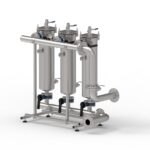
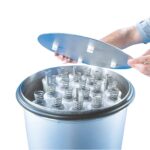
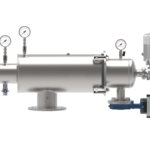
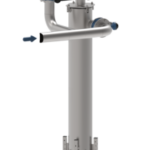
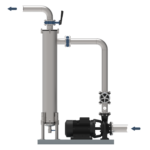
An example of a high-quality self-cleaning system is the Hybrid Combi Technology. This hybrid self-cleaning filter system from JMF-Filters B.V. combines spray nozzle and brush techniques to filter stubborn contaminants from liquids.

Hybrid Combi Technology
Subtitle for This Block
The hybrid self-cleaning filter system, also known as the spray nozzle & brush filter system, is specially designed to remove stubborn dirt or sediment from liquids…
Practical tips for optimal water quality
- Keep the filtration system matched to the flow rate and dirt load of your system.
- Combine multiple filtration types (e.g., mechanical + cyclone) for maximum efficiency.
- Automate where possible to minimize manual cleaning.
- Monitor pressure differences to detect contamination in a timely manner.
- Schedule periodic preventive maintenance, including for automatic systems.
- Provide adequate bypass capabilities when cleaning or malfunctioning.
Need advice on choosing the right filtration system?
JMF Filters has more than 30 years of experience in industrial liquid filtration, with specific expertise in the aquaculture sector. Whether you are looking for a simple mechanical filter or an advanced self-cleaning system, our specialists will be happy to help you with a customized solution.
Feel free to contact us for a no-obligation analysis of your situation.

Marc Jansen



 Expert Filtration Solutions at Your Fingertips
Seeking expert advice on oil and gas industry filters? Reach out to us for a customized solution and quote. Our team of filter specialists is ready to assist you around the clock.