



Filter housings; everything you ever wanted to know!
By Marc Jansens, JMF-Filters BV
Stop spending your money on a new filter housing before reading this blog. As owner and filtration specialist I shall discuss thoroughly and give all the details you will ever need to know about filter housing—material types, components, designs, and processes of maintenance.
1. What is a filter housing?
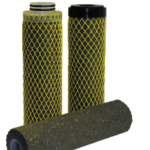
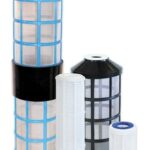
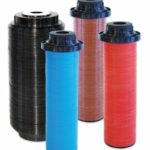
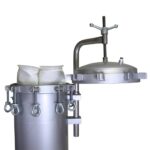
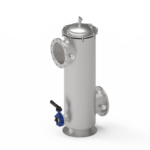
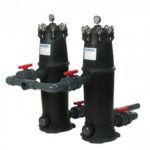
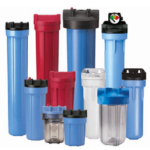
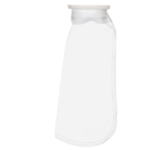
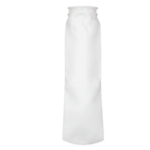
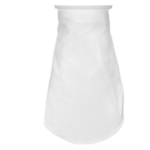
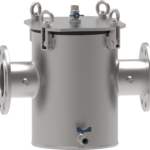
A filter housing is a case that encloses a filter cartridge, basket, or bag and supports the media in position. They can come in numerous configurations and designs to best suit varied filtration needs.
2. What factors manage the design for the housing of the filters?
The filter housing designs depend on a variety of factors that include the operating temperature, flow rate, filtration rating, price, service time, total suspended solids, operating pressure, and type of operation.
3. What does the unit consist of?
The parts of filter housing and their respective functions:
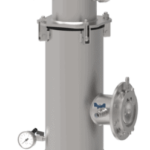
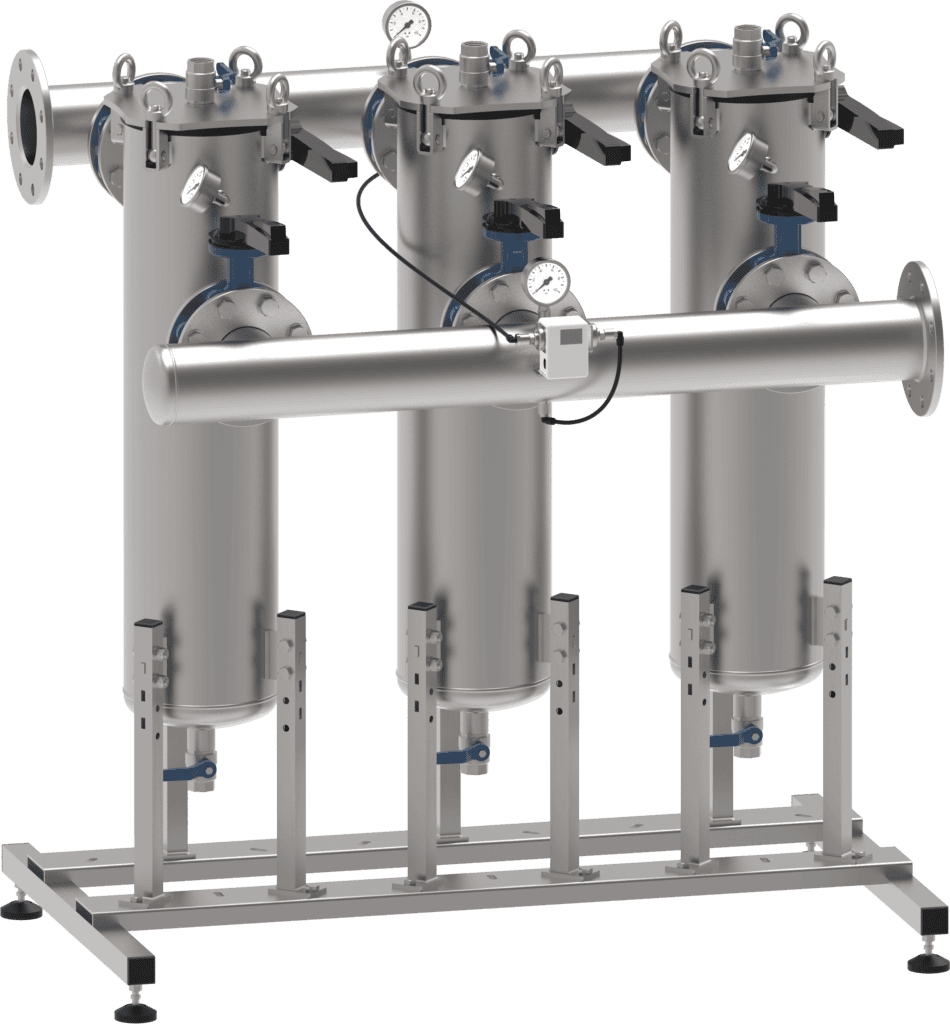
- The shell or casing is the outermost part made from strong materials that withstand pressure and ensure compatibility with the various chemicals.
- Cartridge coupler: This can couple two filter cartridges together in order to extend the length and capacity of both.
- A sump located at the bottom contains unfiltered fluid.
- Caps prevent leaks into, and dust entry, insulating the filter element.
- The stands give housing support and may be either fixed or adjustable.
- Mounting holes make it easier to fix the housing within a given pipeline system.
- Pressure relief valves containing the pressure categories controlling those within to prevent rupture.
- It contains outlet and inlet connections that allow liquid entries and liquid outlets, respectively.
- O-rings prevent internal leaks.
- The vent provides an exit when the housing fills with fluid and automatically seals upon the air reaching a level governing this behavior.
- The check valve prevents re-entry of the air after venting.
- Located at the bottom, sump products and fluid samples are extracted by drains.
- Sample ports to obtain samples and conduct quality testing are available at the inlet and outlet points.
- Pressure release valves, check valves, and the vent have been built into the head seals of the tank.
- The cartridges nest in the bowl.
- Differential pressure gauges measure drop in pressure and indicate when elements must be replaced.
4. How does a filter housing work?
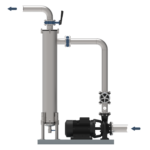
Fluid enters from the inlet nozzle, passes through the filter media, extracts the contaminants, and flows out from the outlet nozzle.
5. How to test for leaks of housing?
Helium leak test by connecting the carton with helium and immersing it in water, raising the helium pressurization level gradually and looking for any emanating bubbles—seeing bubbles for more than a minute? That shows a leak.
6. What influences filter housing size?
Some influencing factors would include filter efficiency, system flow rate, frequency of replacing the filter, and the amount and nature of the contaminants.
7. What are some of the surface finishes available on the filter housing?
Surface finishes enhance the aesthetics and functionality of a given component. The available options include; electropolishing, passivation, pickling, electroplating, abrasive blasting, among other options, which are, in most cases, used for enhancing surface quality by mechanical means.
8. What are the types of the filter housing
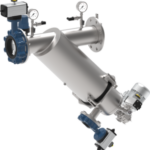
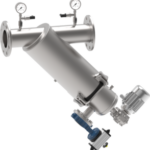
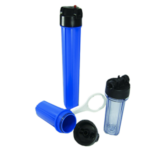
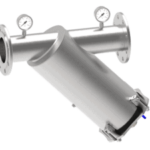
There are various types of the filter housings available in the market and most of them include housings for Y and T strainers, cartridges, vents, polypropylene, polyvinyl (PVC) cartridge, self-cleaning, PVC bags, bags, and casted baskets.
9. What are applications of filter housing ?
Filter housing is widely applied in refineries, water treatment, chemical production, oil and gas, pharmaceuticals, food and beverage, power plants, textiles, and paints, inks, and dyes; anyway, it is applicable also for RO pre-filtration and process industries.
10. Compare a hydraulic and coalescing filter housing
The coalescing filter housing holds the coalescing filters used for separating liquid droplets in a gas stream, and the hydraulic housing holds the hydraulic filters used in hydraulic systems to remove contaminants from fluids.
11. What are things to consider when choosing filter housings?
So, in your selection of filter housings, look out for a few details: ports that are compatible with your system piping, mounting processes to ensure efficient and economical setup, pressure ratings meeting the requirements of the application, drainage options for manual or automatic, flow rate compatibility, operating temperature, standards of configuration requirements, the exact model or design so as not to bring incompatibility, body material, and cost, including maintenance.
12. What types of filter housing designs are available?
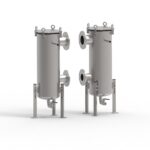
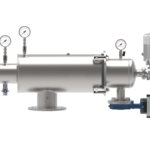
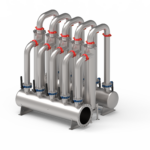
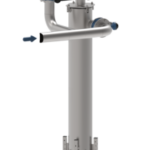
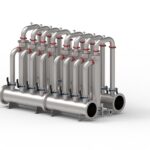
Designs of the filter housings may be of two different types: Horizontal Vertical Horizontal designs are bulky in nature and thus require wide space. The horizontal designs provide substantial size for filtration with a huge filtration area; this also permits high flow, keeping the pressure drop low at the same time. Vertical designs have three pieces with a standard design suitable for small spaces, providing.
Explanation: here, the intention is for the material that is used in
Manufacturing of filter housing is done using varieties such as carbon steel, mild carbon steel, medium strength steel, high carbon steel, stainless steel (304 and 316), plastic, PTFT, and aluminum. However, each of these materials has its own specific properties for different applications.
14. What is the difference between high- pressure and low-pressure filter housing?
A high-pressure housing is resistant and expensive in terms of the ability to take high pressures and heat. On the contrary, a low pressure housing is fit for low-pressure operations and not so costly.
15. What are the qualities of good filter housing?
Good quality of filter housing should have large filtration space, take away wear and tear, reduction of breakage, allow effective separation, be compatible with the process requirements, resist process conditions, allow high-level surface finishing, be free from any cracks or crevices, simple for maintenance, make use of tough material, and maintain low pressure.
16. Which factors will affect the efficiency of the filter housing?
Filter housing efficiency depends on maintenance, fluid type, housing material, installation, and operating parameters, including pressure, temperature, and flow rate.
17. How do you clean filter housing?
The filter housing can be easily cleaned using warm soapy water and a brush, after which it should be rinsed and sanitized with bleach; inspection for leaks should be done immediately after. The alternative backwash filters have the advantage of automatic cleaning, allowing continuous operation.
18. How can you maintain filter housing?
Maintenance of filter housing involves checking the body of the housing for cracks and crevices, conducting check on any chances of leaks, any gaskets and O-rings to check if they are airtight, and replacing leaking housings. Other maintenance practices include prevention from thread damage, use of lubricants, proper cleanout, and system shut-down opening. Release its fluid and pressure before opening, take precaution from the toxic gas, and keep the drain fully closed after servicing.
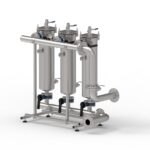
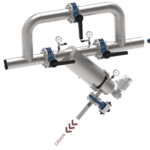
19. How do duplex and simplex filter housing compare to eachother?
This ensures simple stopping and element replacement, thus reduced downtime. In continuous filtration, duplex filter housings are preferred, where a three-way valve joins two simplex housings.
20. On what quality criteria should filter housing go on?
The filter housing will be manufactured in compliance with the ASME code, Pressure Equipment Directive 2014/68/EU, CE marking 3-A sanitary standard, FDA, EPA, and cGMP.
21. Why is stainless steel the preferred material used in filter housing?
Stainless steel housing can stand a concurrent high pressure, most simply cleaned, aesthetic, corrosion-free, and not deforming under rigorous temperature status.
22. What drives the filter housing price?
The price for a housing varies due to the material, configuration, model pressure rating, flow rating, application, presentation of sales offers, and condition new or used.
23. How do you install filter housing?
Install housing by fitting the inlet and outlet ports, align the system, place the shut-off valves, and choose support that is stable. Put the right-sized housing in place now. The final act will be connecting the components and cartridges; align seals and gaskets, and then open the indicated inlet and outlet shut-off valves to permit fluid entry. Obtain differential pressure readings as a check. Formulation of
24 How the quality of filter housing Is tested
The quality tests should also ascertain leakage through helium at all joints and seals, proof and burst testing while handling pressure, and flow testing through the measurement of pressure drop and the efficiency of flow rate. With an understanding of these important aspects, you can choose the right housing for the precise needs that are both efficient in results and reliable.