
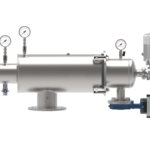
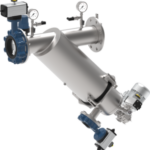
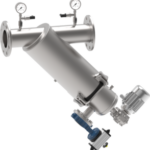
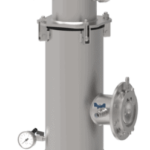


How do you remove twigs from chemical liquid?
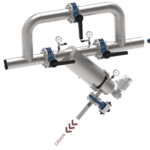
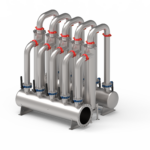
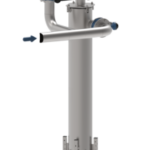
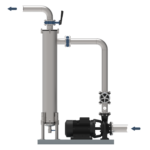
When processing bioethanol, it is essential that sediments, such as branches and other impurities, are separated efficiently. Preventing contamination in bioethanol contributes to a stable production process and a consistent quality of the end product. Various methods are used in which mechanical separation and physical filtration are central, so that unwanted natural residues can be effectively removed.
Technology and Innovation
For example, specially designed separation systems are used that are aimed at reducing sediments and optimising the liquid quality. By investing in technologies that enable controlled and continuous removal of branches, not only is the purity of the bioethanol guaranteed, but a sustainable production environment is also stimulated. In addition to technological innovations, monitoring the separation process also plays a crucial role; efficient data analysis and control technology ensure that processes are continuously optimized.
Quality and Consistency
This results in reliable operation, even when changing conditions or variable raw materials affect the composition of the liquid. In today’s market, ensuring the quality and purity of bioethanol is essential for both industrial application and further processing. The separated sediment contributes to an improved consistency of the product, which meets the strict quality standards of the sector. Working with customized separation solutions offers opportunities for a cost-effective and environmentally conscious approach. Contact us for a suitable solution and/or a completely free quote.
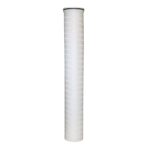
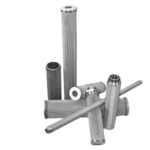
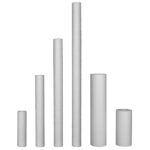
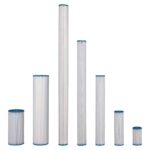
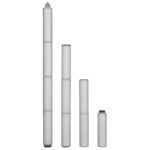
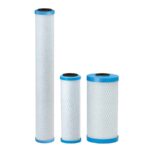
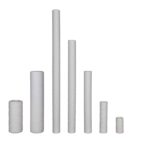
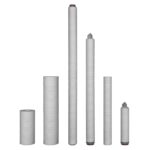
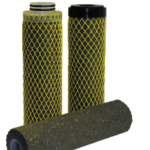
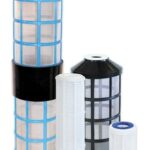
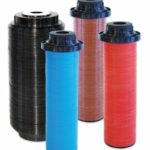
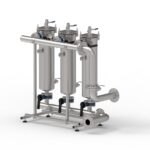
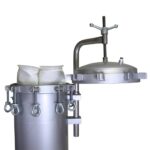
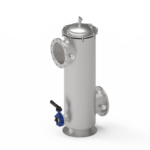
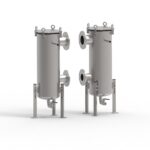
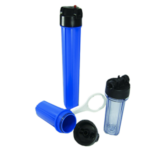
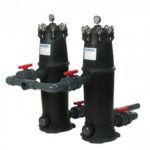
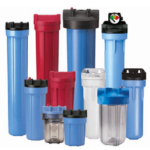
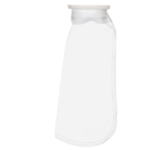
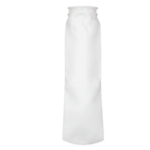
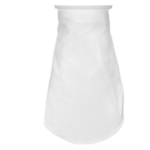
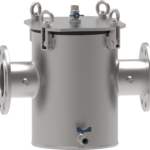
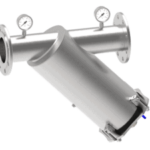
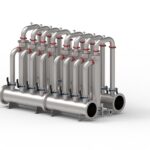
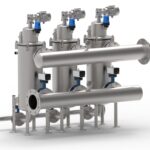
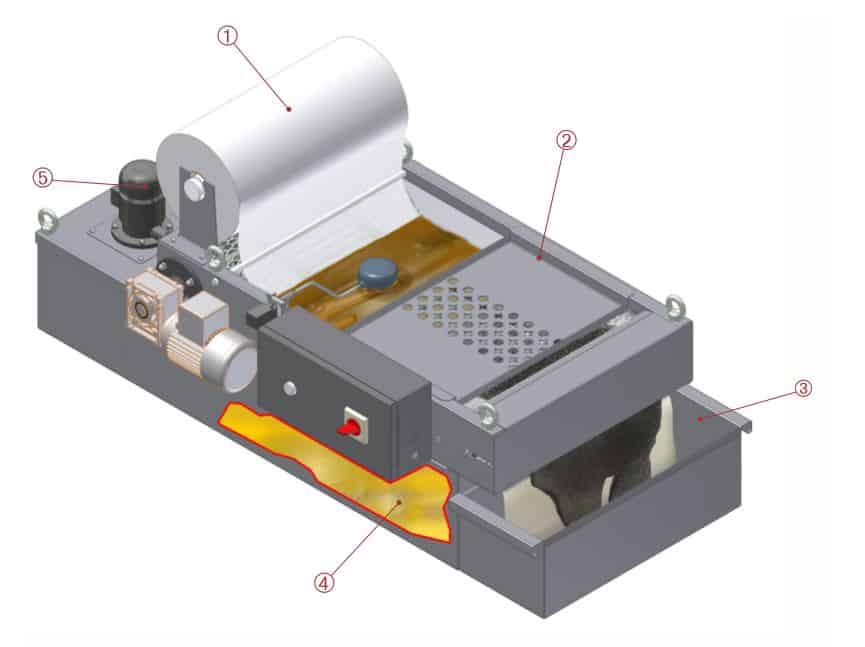
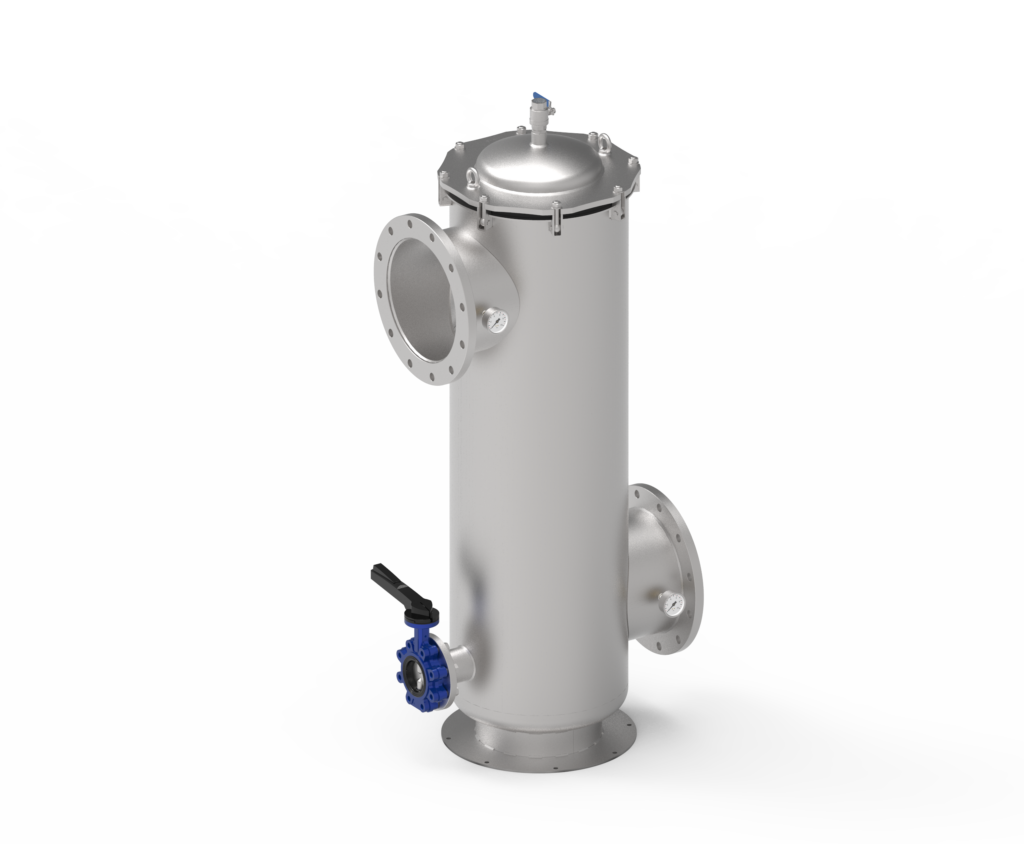
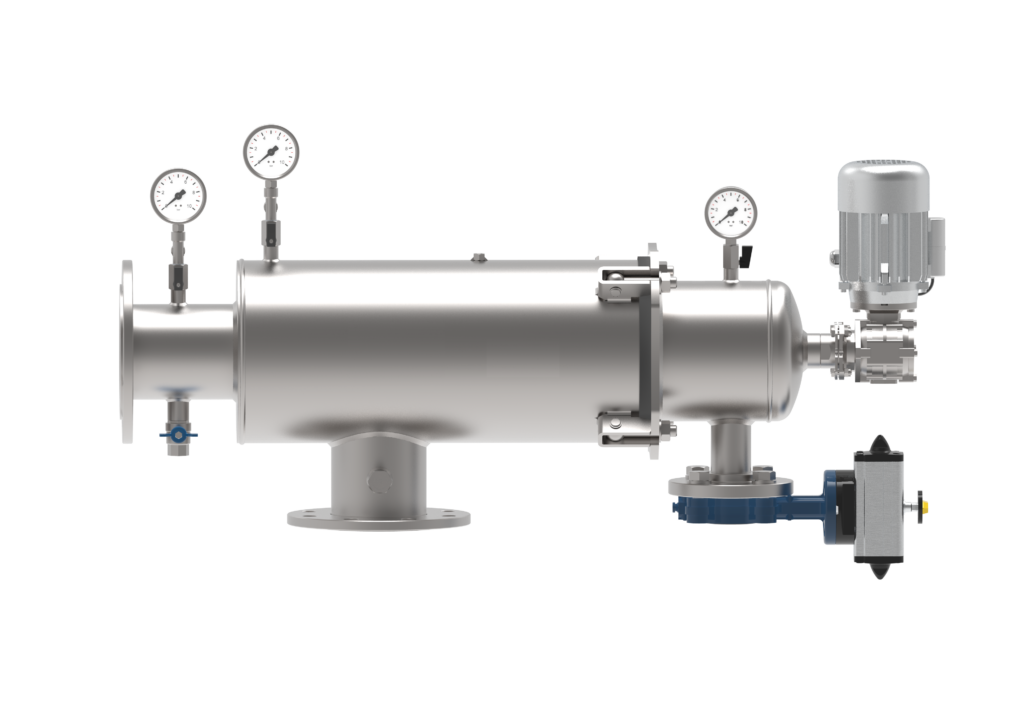
Some of our liquid filtration products


Marc Jansen
 Expert Filtration Solutions at Your Fingertips
Seeking expert advice on oil and gas industry filters? Reach out to us for a customized solution and quote. Our team of filter specialists is ready to assist you around the clock.