




From dirty water to clean water: The complete treatment process in WWTPs and the possible filtration systems per process step
About 250 liters of wastewater per person flow through our sewers every day. This water must be thoroughly cleaned before it can be returned to nature. Sewage treatment plants (WWTPs) play a key role in this process, with filtration being one of the most critical parts. How exactly does this process take place and what filters are involved? We take you through the different steps.
The water treatment process: a technical feat
Water that arrives at a WWTP has already made quite a journey through the sewer system. It contains all kinds of contaminants: from visible dirt to microscopic particles and chemicals. The treatment process is therefore divided into several stages, each with its own challenges and filtration needs.
Phase 1: Mechanical pre-purification
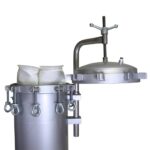
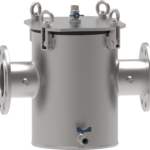
The first step consists of removing coarse material. Basket filters and sand traps are used for this purpose. The basket filters stop larger objects such as plastics, paper and textiles. This coarse filtering is necessary to prevent damage to pumps and equipment further down the line.
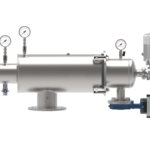
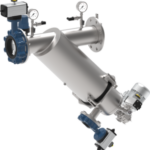
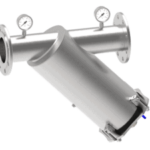
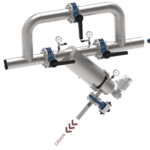
At JMF Filters, we know that properly positioned self-cleaning filters can prevent many problems at this stage. Our automatic filtration systems can capture up to 98% of coarser material without the need for manual intervention.
Stage 2: Primary purification with sedimentation.
After coarse filtration comes the settling phase. In large basins, heavier particles are given a chance to sink to the bottom. The settled sludge is collected for further processing.
Phase 3: Biological purification
The heart of the modern WWTP is biological treatment. This is where bacteria and microorganisms break down dissolved pollutants. This stage removes nitrogen and phosphate, substances that cause algae growth when they enter surface water.
Aeration at this stage requires fine-mesh membrane filters that optimally distribute air bubbles. This is where our technical knowledge comes in handy. After all, the right filter membranes largely determine the energy consumption of the WWTP.
Stage 4: Post-purification and final filtration.
Before the water is discharged, it undergoes a final round of purification. Here the very smallest particles and any remaining microorganisms are removed.
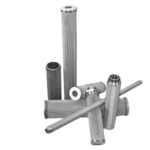
At this point in the process, our filter baskets are used to purify the polymer and prevent lump formation, both before and after the polymer production station. This is currently our main way of helping sewage treatment plants (WWTPs) with a reliable and effective solution at this stage.
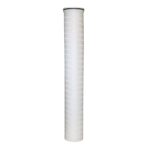
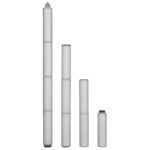
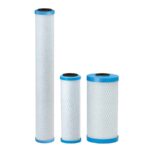
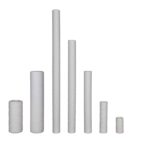
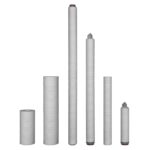
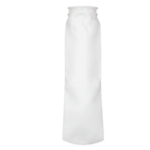
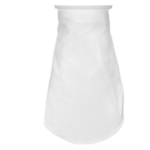
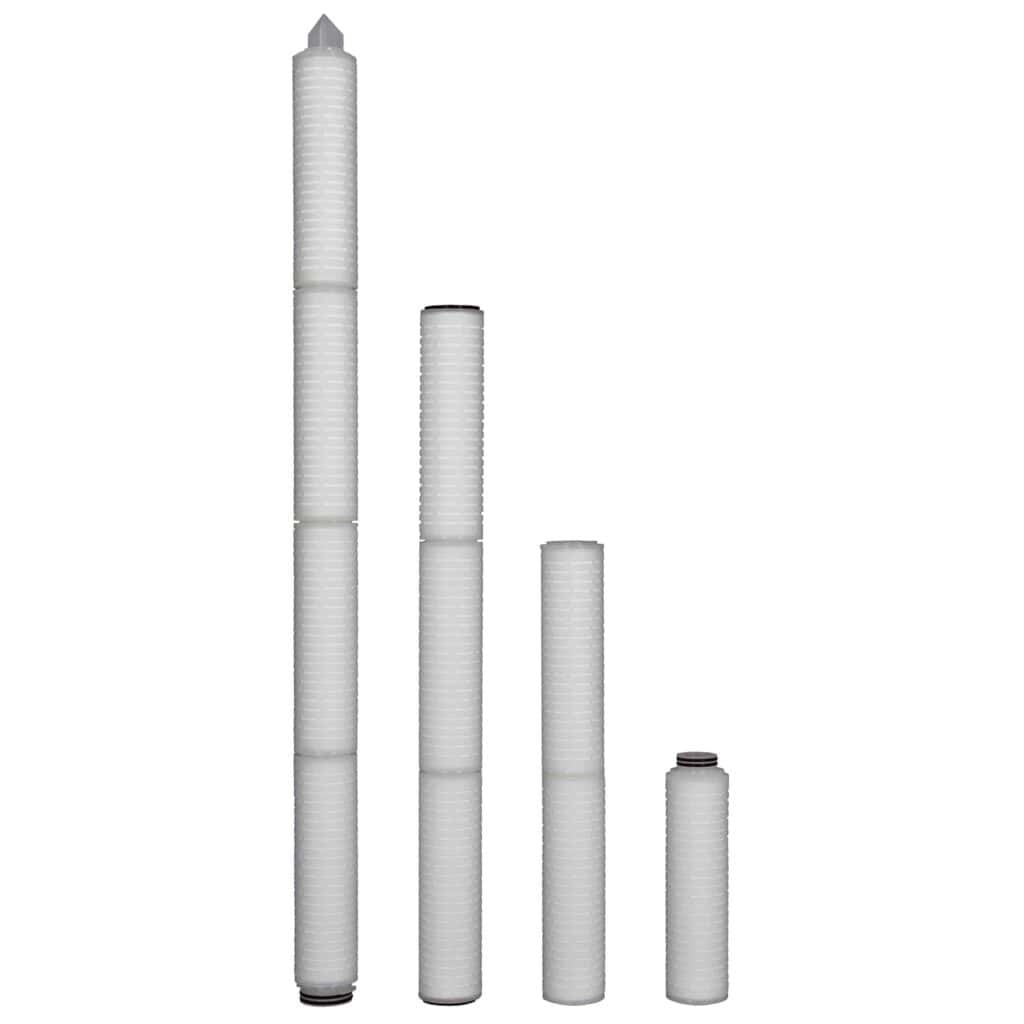
View our membrane filters here
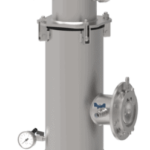
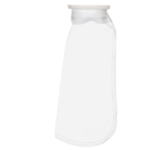
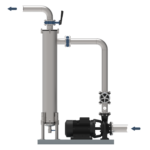
Membrane filters with large filter surface area for high dirt collection and low pressure losses, suitable for various industries and fast delivery….
The challenges of modern water management
Purifying water is becoming increasingly complex. New contaminants such as drug residues, microplastics and industrial chemicals are placing higher demands on filtration systems. At the same time, pressure is increasing to reduce energy consumption and operate more sustainably.
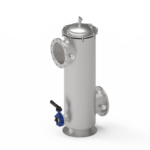
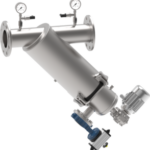
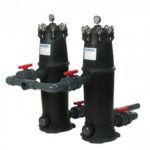
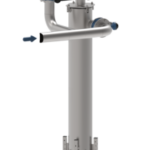
We noticed this trend early on and therefore developed filters that not only filter better, but also consume less energy. Our cyclone filters, for example, work with the natural flow of water and thus save up to 30% energy compared to conventional systems.
The future of water treatment and filtration
Water is becoming increasingly valuable. Modern WWTPs are therefore evolving into “raw material factories” where not only clean water, but also energy and useful raw materials are recovered.
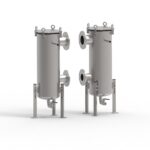
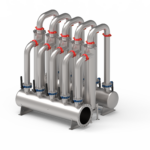
This requires advanced filtration techniques. Filters must no longer just clean, but also help separate valuable substances. Duplex filters and selective membranes play a leading role here.
Reliable filtration as the basis for clean water
The entire purification process hinges on reliable filtration systems. A faulty filter can disrupt the entire process, leading to less clean water and higher costs.
With our more than 30 years of experience in liquid filtration, we at JMF Filters understand how important reliability is. That’s why we test and inspect all of our filters for accuracy and quality per production batch.
Do you have questions about which type of filter is the best fit for your water treatment process? Or would you like to know how to improve the efficiency of your installation with the right filtration solution? Our filtration specialists are happy to think along with you.

Marc Jansen



 Expert Filtration Solutions at Your Fingertips
Seeking expert advice on oil and gas industry filters? Reach out to us for a customized solution and quote. Our team of filter specialists is ready to assist you around the clock.