





How do cyclone filters work and what are they suitable for?
Industrial water and process liquids can contain sand, sediment, rust and other solid particles. If these contaminants are not removed, they can cause wear, blockages and reduced efficiency in pumps, valves and other process equipment. A cyclone filter provides an effective way to separate heavier solid particles from liquids without relying on a conventional filter element.
This makes cyclone filters particularly useful in industrial processes with continuous liquid flows or relatively high concentrations of solids. But how does this type of filtration work, and when is it the right solution?
What is a cyclone filter and how does it work?
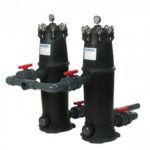
A cyclone filter is a mechanical separation system that uses centrifugal force to remove solid particles from liquids without a filter bag, cartridge or screen.
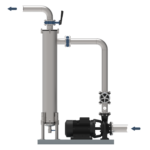
The contaminated liquid enters the housing tangentially, creating a vortex. Centrifugal force pushes heavier particles towards the outer wall and down into a collection chamber, where they can be discharged periodically or automatically. The separated liquid leaves the system through the outlet.
Separation efficiency depends on particle size and density, flow rate and operating conditions. Larger and heavier particles such as sand and grit are generally easier to separate than very fine or lightweight suspended solids.
Because no disposable filter element is required, this separation method can reduce maintenance in applications with high concentrations of heavy solids. The correct system should therefore be selected based on the actual liquid, contamination and process conditions.
What can a cyclone filter remove from water?
A cyclone filter for water is primarily designed to separate solid particles that are heavier than the water itself. Typical contaminants include sand, grit, sediment, scale and certain metal particles.
This is an important difference compared with filters that use a physical filter medium. A filter bag or cartridge retains particles based largely on the size of the openings in the filter material. A cyclone separates particles through centrifugal forces and differences in density.
As a result, very fine or lightweight particles may require an additional filtration stage. When both heavy and fine contamination are present, a cyclone can be used as pre-filtration before a finer filter.
Why use cyclone filtration?
One of the main advantages of cyclone filtration is the absence of a disposable filter element. There is no filter bag or cartridge that gradually fills with solids and needs to be replaced. This can reduce maintenance requirements and the use of consumable filter materials.
The technology is particularly valuable when a liquid contains a relatively high concentration of sand or other heavy contamination. Removing these particles before they reach pumps, valves, heat exchangers or finer filtration systems helps reduce the load on downstream equipment.
For water containing large quantities of heavy solids, a cyclone can therefore serve as a stand-alone filter or as the first stage in a multi-stage filtration system.
Applications of cyclone filters
Cyclone filters are used in industrial processes where solid particles need to be separated from water or other liquids. Their ability to process continuous liquid flows makes them suitable for several different industries.
Wastewater treatment
Wastewater streams can contain sand, grit and other solid contaminants that cause wear or interfere with downstream treatment equipment. Removing these particles at an early stage helps protect pumps and other components and reduces the solids load on subsequent filtration processes.
Cooling water systems
Sand, rust, scale and sediment in cooling water can accumulate inside an installation and affect the performance of pumps, valves and heat-transfer equipment. A cyclone can remove heavier particles before the water continues through the cooling system.
Petrochemical industry
Process liquids in petrochemical applications can contain solid contaminants that need to be removed to protect equipment and maintain reliable operation. Depending on the properties of the liquid and particles, cyclone separation can be incorporated into the filtration process.
Offshore and marine industry
Offshore and marine installations often have to process substantial volumes of water under demanding operating conditions. Cyclone systems can be applied to separate solid contamination from process and water streams, with the exact configuration depending on the application and required separation.
Agriculture and greenhouses
Sand and sediment in irrigation water can contribute to wear and blockages in pumps, pipes and irrigation equipment. Separating these particles before the water enters the distribution system helps maintain a reliable water flow.
When should a cyclone filter be used as pre-filtration?
A cyclone is particularly valuable as a pre-filter when a liquid contains both heavy solids and finer contamination. Instead of sending the complete solids load directly to a fine filter, the cyclone first removes a substantial part of the heavier material.
The downstream filter can then focus on the finer particles that cannot be effectively separated through centrifugal force. This can reduce the load on filter bags, cartridges or other filtration equipment and may extend the intervals between cleaning or replacement.
For installations with high levels of sand or sediment, this combination can provide a more practical solution than relying on fine filtration alone.
When is a cyclone filter less suitable?
Cyclone filters are highly effective for the right type of contamination, but they are not intended for every filtration requirement.
Very fine particles and lightweight contaminants with a density close to that of the liquid are more difficult to separate through centrifugal force. A cyclone also does not provide the same defined filtration rating as a filter bag or cartridge.
If the process requires fine particle removal, another filtration technology may therefore be more suitable. In some applications, the most effective solution is to combine a cyclone with a downstream filter so that each filtration stage removes the type of contamination it handles best.
What determines the performance of a cyclone filter?
The performance of a cyclone depends on the complete process rather than one individual specification. The type and density of the particles influence how easily they can be separated, while the flow rate must be sufficient to create the required centrifugal forces.
Liquid properties, operating pressure and the amount of contamination also affect performance. For this reason, the expected flow rate, particle characteristics, liquid properties and required separation efficiency should be considered when selecting a system.
Correct sizing ensures that the cyclone operates within the conditions for which it was designed and provides reliable separation without unnecessarily affecting the process.
Types of cyclone filters at JMF Filters
At JMF-Filters B.V. you will find a wide range of cyclone filters designed to meet the requirements of different industries. Check out our selection below.
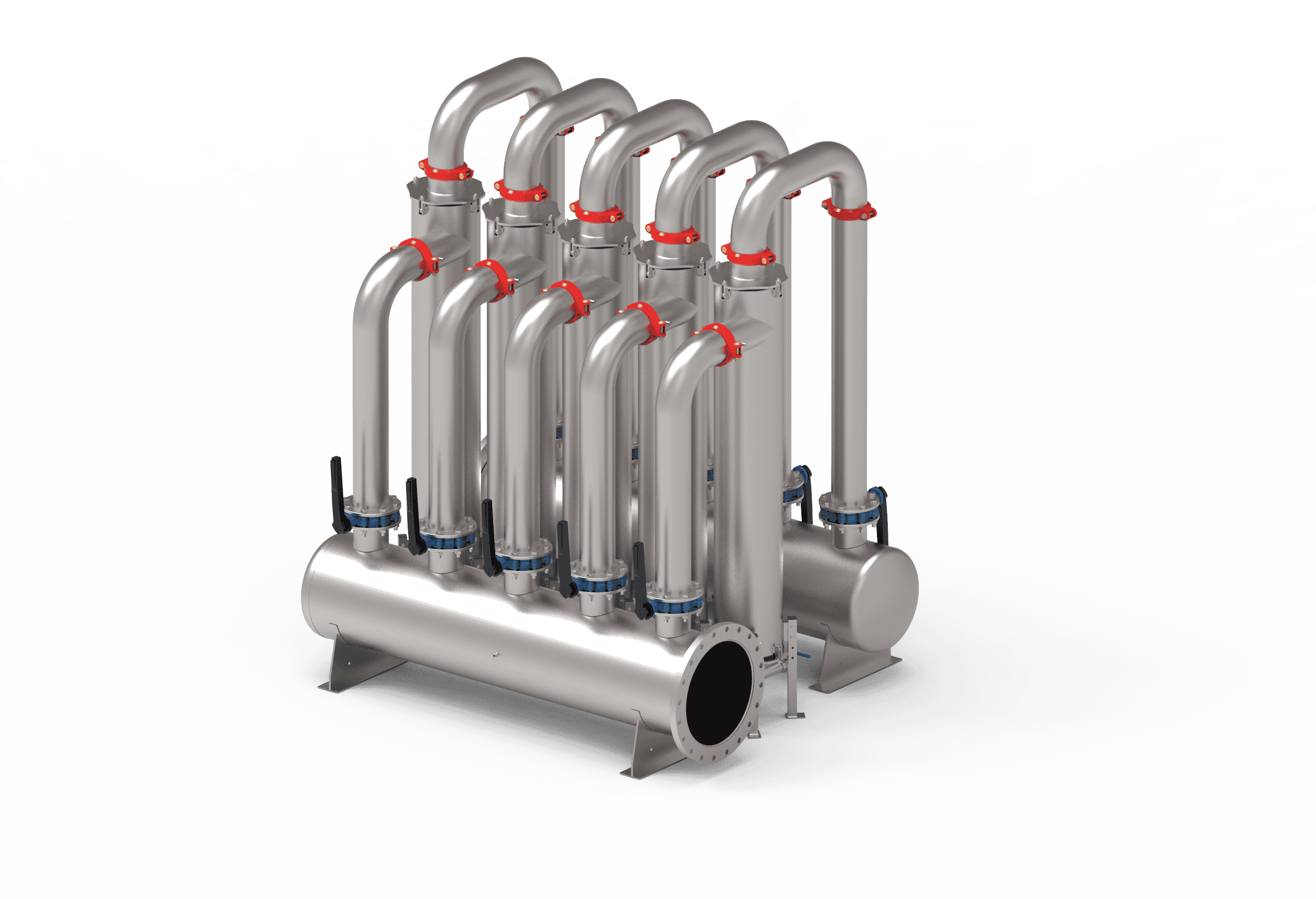
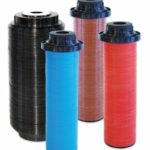
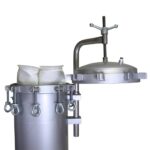
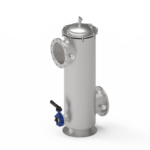
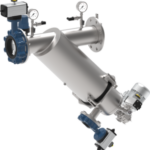
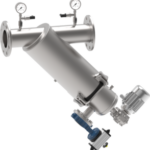
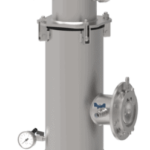
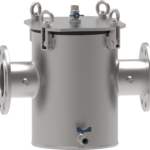
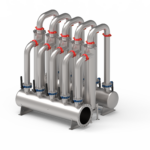
Vortex cyclone filters from JMF Filters are designed for industrial applications where large amounts of sand and other heavy particles must be removed from liquids. They offer high filtration efficiency and can withstand harsh industrial conditions.
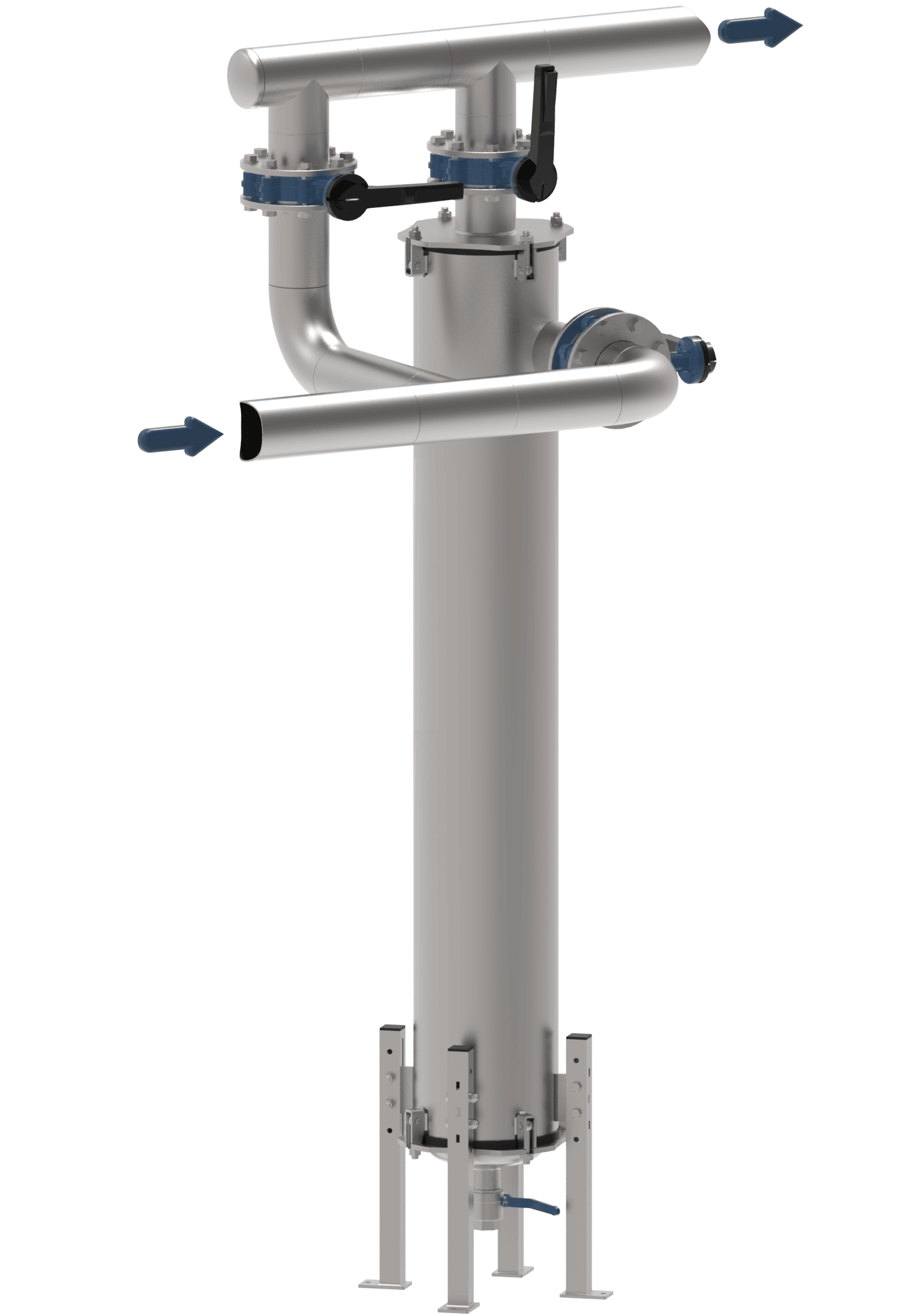
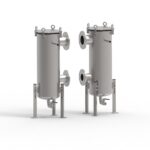
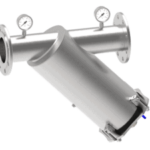
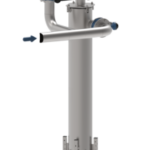
Hydrocyclone filters are particularly effective at removing sand and other solid particles from water. These filters are an excellent choice for applications such as irrigation, wastewater treatment and cooling water systems.
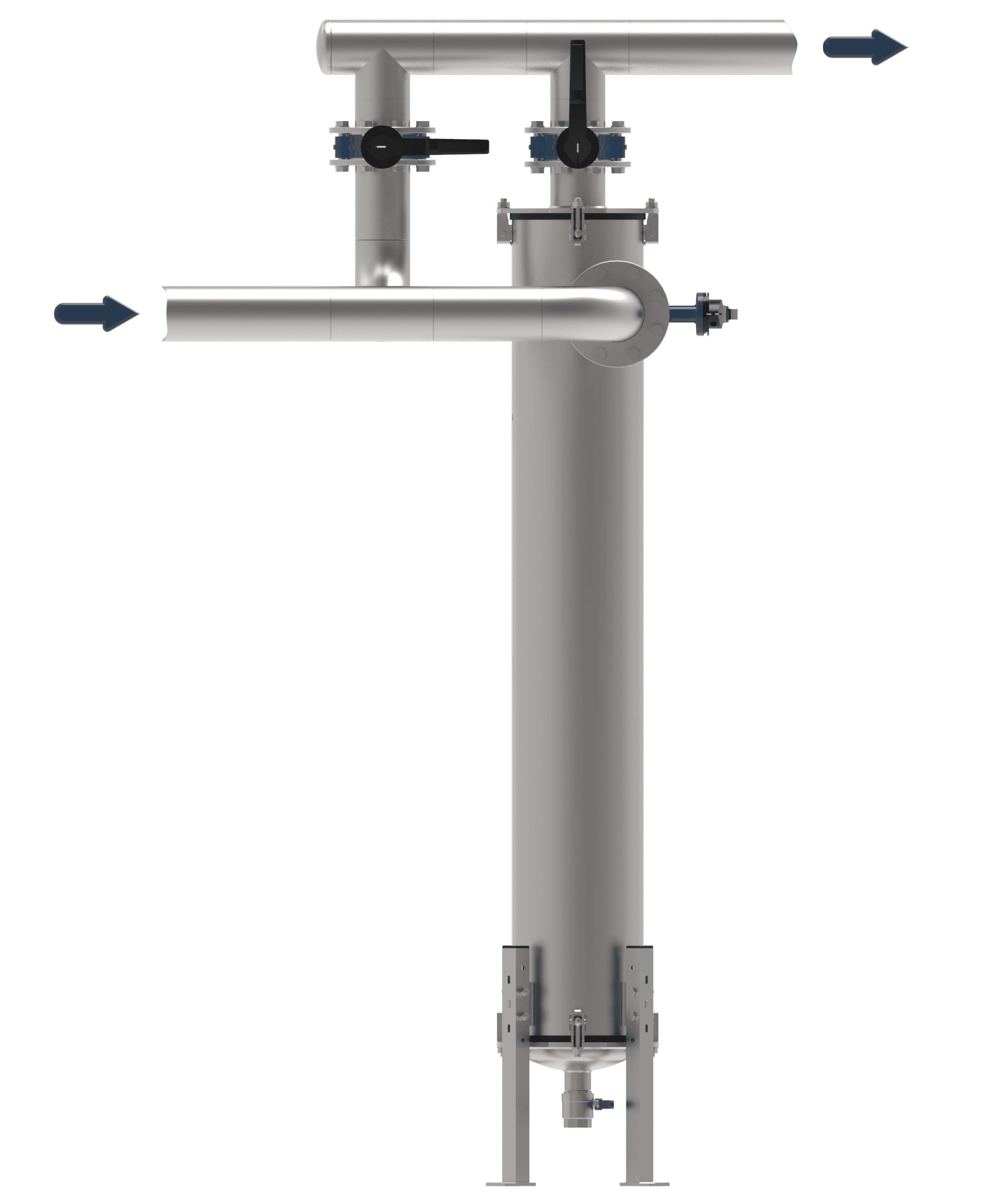
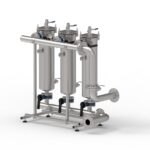
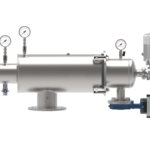
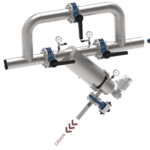
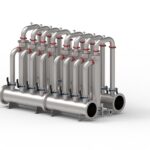
Specifically designed for filtering sand, sand separators are an indispensable solution in sectors such as the offshore and chemical industries. These systems offer high efficiency in the removal of sand particles and can be easily integrated into existing plants.
How do you select the right cyclone filter?
Choosing the right system starts with understanding the liquid and the contamination that needs to be removed. Flow rate and operating pressure are important, but the particle size, density and concentration of the solids also influence which solution is suitable.
The required result should also be considered. If the main objective is to remove sand or other heavy particles, a cyclone may be sufficient. If finer contaminants also need to be removed, an additional filtration stage may be required.
By considering these process conditions together, the filtration system can be matched more accurately to the application and unnecessary maintenance or filtration steps can be avoided.
Contact and advice
At JMF Filters, a team of experienced specialists is ready to advise you on the right filtration solution for your specific application. Whether you need a standard solution or are looking for a custom filtration solution, we are happy to help.
Our specialists can assess the characteristics of your liquid, contamination and process conditions to determine whether a cyclone filter is suitable or whether a combination with another filtration technology provides a better solution.

Marc Jansen



 Expert Filtration Solutions at Your Fingertips
Seeking expert advice on oil and gas industry filters? Reach out to us for a customized solution and quote. Our team of filter specialists is ready to assist you around the clock.