






How do you avoid common mistakes when maintaining industrial filters?
Industrial filters are indispensable in a variety of industries, from water treatment to chemical processing. A well-maintained filter ensures efficient operation of systems, extends equipment life and minimizes breakdowns. Yet mistakes are often made during maintenance, which can lead to inefficiencies and unexpected costs. In this article, we discuss how to avoid these common mistakes and get the most out of your industrial filters.
Properly maintaining industrial filters requires attention to detail, use of proper techniques, and adherence to manufacturer guidelines. Common mistakes such as improper cleaning, waiting too long to maintain, or improper use of filters can have serious consequences. Through proactive and regular care, you can avoid these problems.
How does maintaining industrial filters work?
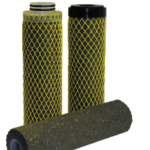
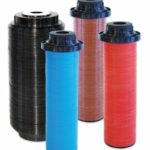
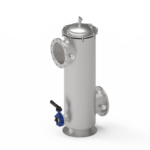
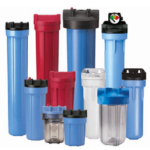
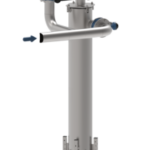
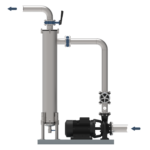
Industrial filters use a variety of technologies, such as cyclone techniques, self-cleaning systems or simple strainer solutions. Each type has specific maintenance requirements:
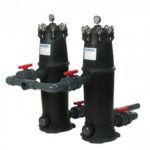
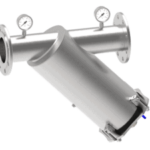
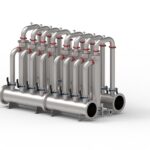
- Cyclone Filters and Sand Separators: Use centrifugal force to separate particles. Regular inspection and flushing of the collection chamber are essential to maintain efficiency.
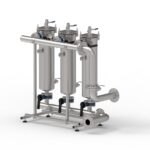
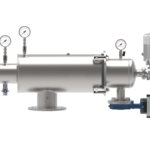
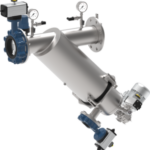
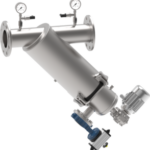
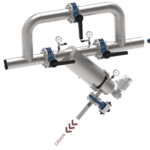
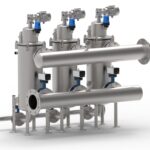
- Self-Cleaning Filters: This type, like the Hybrid Combi system, cleans itself via automatic brushes and nozzles. Annual inspection of moving parts prolongs life.
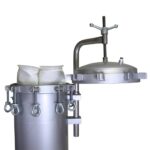
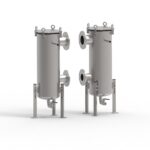
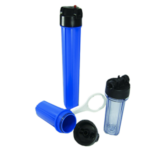
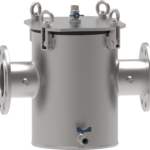
- Simplex and Basket Strainers: These filters require manual cleaning and inspection. Make sure the filters are clean before reinstalling them to avoid clogging.
Every system benefits from periodic inspection and maintenance to maximize performance.
The most common maintenance mistakes
Improper cleaning techniques
Filters are often damaged by aggressive cleaning methods. For example, never use chemical cleaners on HEPA filters or metal brushes on fine filter mesh.
Waiting too long to clean
Neglecting filters leads to increased energy costs and poorer system performance. Dirty filters can retain pollutants, endangering health and equipment.
Incorrect application of cleaning methods
Using the wrong cleaning technique for the filter type is a common mistake. For example, ultrasonic cleaning can be effective for some polymer filters but cause damage to robust metal filters.
Improper storage and redeployment
Filters that are not stored properly after cleaning often lose their effectiveness. Make sure filters are completely dry before replacing them to prevent mold growth.
Neglect of self-cleaning systems
Although these filters operate automatically, they need regular checks to ensure that the self-cleaning mechanisms are working properly.
Conclusion and future prospects for maintaining industrial filters
Maintaining industrial filters is a vital process that directly impacts operational efficiency and cost control. Through regular inspection, the use of proper techniques and the avoidance of common errors, filters can last longer and deliver better performance.
Industrial filters will continue to get smarter and more efficient. Invest now in properly maintaining your filters to benefit from reliable operation and lower operating costs.
Why proper maintenance is essential.
- Extended life of equipment.
- Reduced energy costs.
- Improved safety and environmental impact.
When in doubt, JMF Filters always offers customized solutions and advice for proper maintenance of your filter system.

Marc Jansen



 Expert Filtration Solutions at Your Fingertips
Seeking expert advice on oil and gas industry filters? Reach out to us for a customized solution and quote. Our team of filter specialists is ready to assist you around the clock.